Plumbing DIY Mistakes You Must Avoid to Prevent Costly Repairs
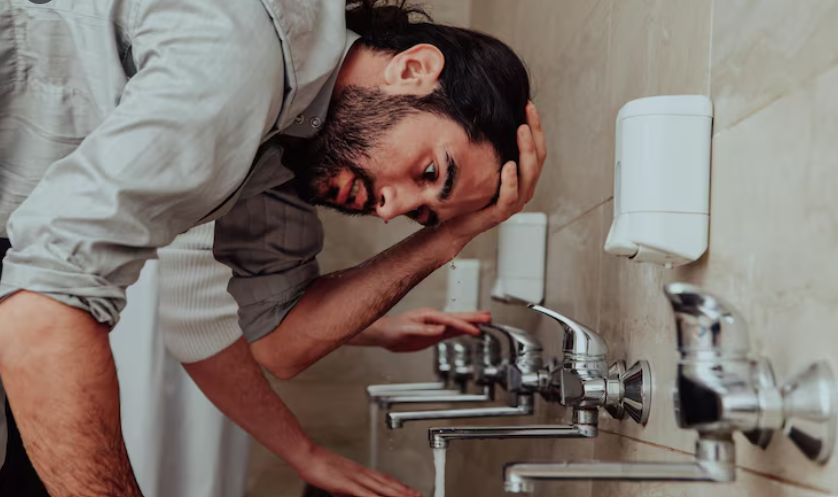
Here is something nobody tells you when you first become a homeowner. The repair that costs the most is almost never the original problem. It is the repair that the original problem turned into after someone spent a weekend trying to fix it themselves. I have seen this play out too many times to count: a leaky faucet becomes a damaged cabinet floor; a slow drain becomes a cracked pipe; a water heater adjustment becomes a voided warranty and a flooded utility room.
That is not an argument against plumbing DIY altogether. Some tasks around the house genuinely belong in the homeowner’s hands. But there is a specific category of mistake that shows up again and again, made by well-meaning people who simply did not know what they did not know. These mistakes are not obvious in the moment. They feel like reasonable decisions. And then, days or weeks later, they announce themselves in ways that are neither small nor cheap.
If you enjoy handling your own home repairs, good. Keep doing it. Just read this first. And if you ever find yourself in a situation that has moved clearly past the point of DIY, www.247plumbernearme.net is the fastest way to find a licensed emergency plumber near you at any hour of the day or night.
The Most Common DIY Plumbing Mistakes
These are not rare edge cases. They are the patterns that licensed plumbers encounter regularly when they are called in to fix a job that a homeowner started. Each one made complete sense to the person making it at the time.
Not Turning Off the Water Supply Before Starting
This sounds so basic that most people assume they would never skip it. However, in reality, this is done all the time, most often because the task appears to be a speedy one or because an individual believes that a particular valve is turned off when it really is not or because he is doing work on equipment that has nothing to do with running water. The outcome of such an assumption varies from a surprise shower of cold water to an actual flood depending on which pipeline it concerns.
Using the Wrong Type of Pipe or Fittings
However, not all pipes are compatible. Copper, PVC, CPVC, PEX, and galvanized steel each have varying heat, pressure, and material limitations. When an incorrect connection is made between two differing substances without the appropriate transition fitting, corrosion will occur faster. The joint holds initially, then deteriorates quietly inside the wall until it fails completely. By that point, the original repair had been invisible for months and the damage it caused been spreading the whole time.
Overtightening Threaded Connections
More force feels like more security. It is not. Overtightening a threaded plastic fitting cracks it, sometimes immediately, sometimes under the first surge of water pressure after reassembly. Even metal fittings can have their threads stripped by too much torque. The crack from an overtightened plastic fitting is often invisible until water appears, and by then it has usually been dripping behind the cabinet or inside the wall for a while. Hand tight plus a quarter turn with a wrench is all that most household fittings actually need.
Skipping Thread Seal Tape on Threaded Joints
PTFE tape, also called plumber’s tape, is what creates a watertight seal on threaded pipe connections. Without it, the connection may feel firm and hold pressure initially but will almost certainly develop a slow drip within weeks as the threads settle. The tape costs almost nothing and takes thirty seconds to apply. Skipping it and then dealing with a persistent leak that requires disassembling a joint you already tightened is one of the more frustrating DIY plumbing experiences there is.
Pouring Chemical Drain Cleaner Into a Completely Blocked Drain
Chemical drain cleaners generate heat as part of their reaction. In a completely blocked drain where the liquid has nowhere to go, that heat concentrates inside the pipe. In older PVC pipes this can cause softening or warping. In pipes with existing cracks it can accelerate the damage. More practically: if the chemical does not fully clear the blockage and you then need to call a plumber, they are now working with a drain full of caustic liquid that is actively dangerous to handle. Start with mechanical methods. The plunger and the drain snake exist for good reason.
Treating the Visible Drip as the Source of the Problem
Water travels. It follows gravity and the path of least resistance and it can travel a surprising distance from where it actually enters before showing up somewhere visible. A stain on a cabinet floor may be coming from a connection three feet back along the supply line. A wet spot on a ceiling may be coming from a toilet wax ring directly above it, not from a pipe. Replacing the fitting closest to the drip and calling it done is how partial fixes happen. The original source continues and the damage continues with it.
Why Small Errors Become Big Plumbing Emergencies
The mechanics of how a minor plumbing mistake becomes a serious problem are usually the same regardless of the specific error. Water finds the gap. It enters a space it was not meant to enter, often somewhere concealed. And then it sits.
Wood absorbs moisture and begins to soften. Drywall swells and loses structural integrity. Insulation becomes saturated and loses its function while becoming an ideal environment for mold. None of this is visible from the outside while it is happening. The cabinet looks fine. The wall looks fine. And then one day you press your hand against the baseboard and it gives slightly, or you notice a smell you cannot quite place, and the conversation with the contractor that follows is a long one.
A slow drip behind a cabinet can cause more total damage over three months than a burst pipe that gets noticed and handled in the first hour. Visibility is not the same thing as urgency.
Mold can begin forming in a damp enclosed space within 24 to 48 hours. Once it is established inside a wall cavity, remediation is a separate and expensive project on top of whatever plumbing repair was originally needed. This is the compounding effect that turns a thirty-dollar DIY fix into a several thousand dollar renovation.
Signs You Need Plumbing Experts Instead of Another DIY Attempt
There are moments in a DIY plumbing job where the honest answer is to stop. Not because you have done something wrong necessarily, but because what you are looking at is clearly outside the zone where a homeowner with basic tools can reliably fix things correctly. Recognizing those moments is a skill worth developing.
- You have attempted the same repair twice and the problem has returned or gotten worse
- Water is appearing from inside a wall, ceiling, or floor with no obvious surface source
- More than one fixture is draining slowly or backing up at the same time
- There is any smell of sewage in a bathroom, kitchen, or utility area
- The water heater is making new sounds or has visible water around its base
- A pipe has burst or is actively spraying rather than dripping
- The repair requires accessing anything inside a finished wall or under a concrete floor
- You are not certain whether a nearby pipe carries water or gas
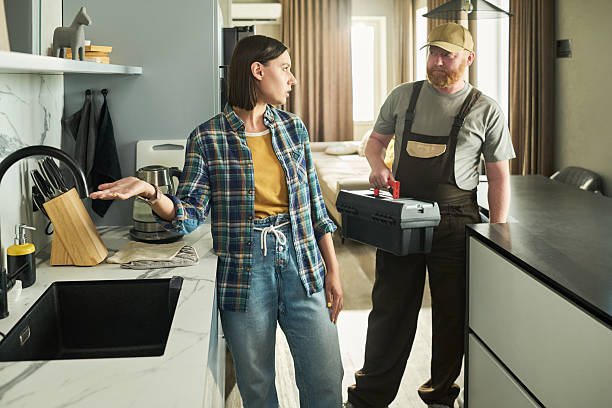
Any of these situations calls for a licensed professional rather than another attempt with tools from the garage. A 24 7 Plumber Near Me is available around the clock precisely because plumbing emergencies do not wait for convenient hours. Getting the right person there quickly is almost always the decision that costs the least in the end.
Safe DIY Practices Every Homeowner Should Follow
Nothing in the above is meant to suggest that you should abstain from plumbing at home. It simply implies that you have a clear picture of what constitutes best practice. You won’t become an expert plumber by observing these practices, but you can be sure that your DIY effort won’t create another issue for you to solve.
Always Locate the Shutoff First
Before starting any job, confirm where the relevant shutoff valve is and test that it actually works. Valves that have not been operated in years can seize or fail to fully close.
Photograph Before You Disassemble
Take photos of every stage of disassembly before removing anything. Reassembly goes significantly more smoothly when you have a visual reference for what went where.
Match Parts Before You Buy
Take the old part with you to the hardware store rather than guessing the size or type. Flappers, washers, cartridges, and supply lines are not universal, and the wrong size will not seal properly.
Test for Leaks Before Closing Up
After reassembly, turn the water back on slowly and watch every connection point for a full two minutes before assuming the job is done. Small drips are much easier to address now than after you have put everything back.
Use PTFE Tape on Every Threaded Joint
Wrap it clockwise around the male threads two to three times before assembly. This takes thirty seconds and prevents the vast majority of slow drips that develop at threaded connections over time.
Know When the Job Has Changed Scope
If you open a cabinet expecting one problem and find something significantly different or more complex, stop. Reassess. Getting qualified help at that point is a decision, not a failure.
One Rule Worth Keeping
If you are ever working near a pipe and you are not completely certain whether it carries water or gas, stop immediately. Do not guess. Do not touch it. Call a licensed professional before proceeding with anything in that area. There is no DIY job worth getting that question wrong.
What All of This Actually Comes Down To
Plumbing DIY is not the problem. Uninformed plumbing DIY is.The homeowners who do an excellent job in fixing whatever needs fixing themselves may not necessarily be better at their jobs than those who make matters worse for themselves; they only have a better understanding of what is happening, are more careful with the details, and know when to step back and ask for help when things take a turn for the worse.
The mistakes in this guide are not hard to avoid once you know what they are. The pipe material issue, the overtightening habit, the chemical drain cleaner reflex, the assumption that the visible drip is the source: none of these require expert knowledge to sidestep. They just require knowing they exist before you pick up a wrench.
Build the good habits. Respect the scope of what you are taking on. And when something is clearly beyond a reasonable DIY attempt, make the call. The plumber you bring in to fix a contained problem is a much less expensive conversation than the contractor you bring in to fix the wall damage the contained problem became after it sat unresolved for three months.