A Complete Guide to Choosing the Best Electric Cargo Bike
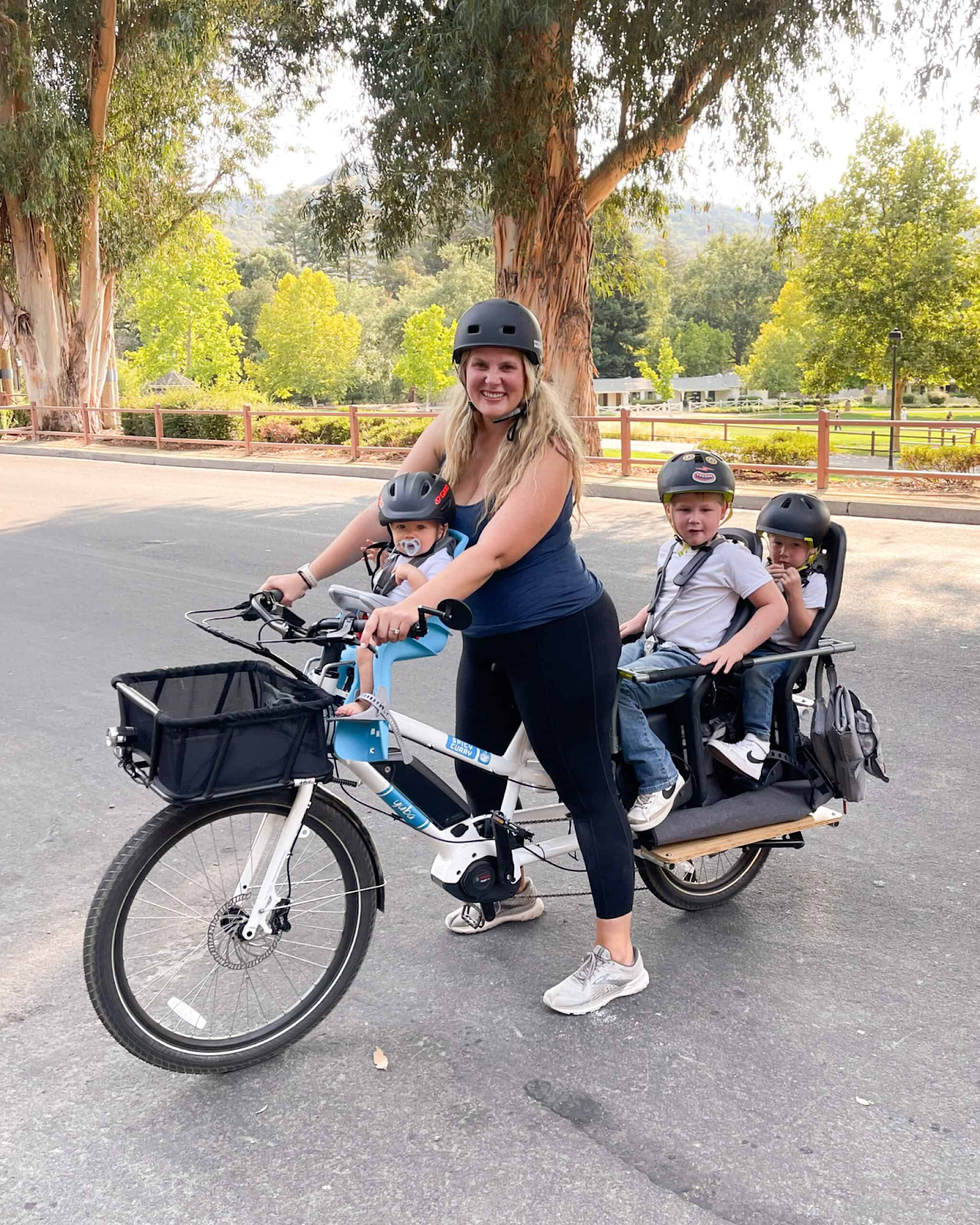
Three years ago, most people still thought of cargo bikes as something you spotted occasionally outside a farmer’s market or in a cycling magazine. That has changed faster than almost anyone predicted. Today you will find them outside school gates, parked at restaurant loading bays, weaving through delivery corridors in city centers, and locked up outside apartment blocks where a second car no longer makes financial sense. The range of electric cargo bikes available now is genuinely impressive, which is great for buyers in one sense and genuinely confusing in another. More choice means more decisions, and making the wrong one on a purchase of this size is an expensive mistake to live with.
This guide is not going to tell you which specific bike to buy without knowing your situation. What it will do is walk you through the questions you actually need to answer before spending your money and explain what the specifications and marketing language really mean in practice.
Why Demand Has Jumped So Sharply
It is worth understanding the context briefly before getting into specifications, because the reasons for the surge in cargo bike popularity tell you something useful about whether one fits your life. Fuel costs have risen considerably across most markets. Urban parking has become both scarcer and more expensive. City governments in dozens of countries have introduced or expanded low emission zones that directly penalize older petrol and diesel vehicles. And the growth of online shopping has created a delivery economy that is straining conventional van based logistics at exactly the moment when operators are looking for cheaper and faster alternatives.
Against that backdrop, a vehicle that costs almost nothing to run per kilometer, fits in a standard bike lane, parks essentially anywhere, and can carry enough cargo for most everyday tasks starts to look less like a niche lifestyle choice and more like a straightforward practical response to real circumstances. That is why the buyers now include not just cycling enthusiasts but families who have never previously identified as cyclists, tradespeople, small retailers, and logistics operators doing genuine cost analysis on their fleet options.
Motor Power: What the Numbers Actually Mean
Motor power is one of the first specifications buyers look at and one of the most frequently misunderstood. Most cargo ebikes sold in Europe are legally limited to 250 watts of continuous rated power to qualify for use on public roads without registration. In the United States and some other markets, limits vary by state and bike classification, with many allowing up to 750 watts.
The wattage rating on its own does not tell the full story. Peak torque, measured in Newton meters, is often a more useful indicator of real world performance under load. A motor producing 80 Nm of torque will handle a loaded cargo bike on a steep hill far more comfortably than one producing 50 Nm at the same wattage rating. Mid drive motors, which sit at the crank and work through the bike’s gearing, generally deliver better torque performance on varied terrain than hub motors, which sit in the wheel and work independently of the gears. For flat urban riding, a hub motor is often adequate and cheaper to service. For hillier cities or heavier loads, the mid drive advantage is meaningful enough to justify the additional cost.
Battery Life: Range Claims vs. Reality
Every cargo ebike manufacturer lists a maximum range figure. Almost none of them will be achieved in real world conditions by a rider carrying a full load. Range figures are typically calculated on flat ground, in mild temperatures, with a light load and moderate pedal assist level. Add a 30 kilogram cargo load, a moderately hilly route, cold weather, and higher assist settings, and that figure can drop by 25 to 40 percent.
The practical approach is to identify your realistic daily distance, add a 40 percent buffer on top of it, and use that as your minimum acceptable range. A bike rated at 80 kilometers under ideal conditions might reliably deliver 55 to 60 kilometers under everyday loaded riding. If your daily route is 25 kilometers, that margin is comfortable. If it is 40 kilometers with no mid route charging option, you are cutting it close.
Battery capacity is measured in watt hours; a larger number means more stored energy and typically more range. Look for at least 400Wh for lighter urban use and 500Wh or above for heavier loads or longer daily distances. Also check whether the battery is removable; being able to bring it indoors for charging is a significant convenience advantage if you do not have secure outdoor power access.
Load Capacity: Matching the Spec to Your Life
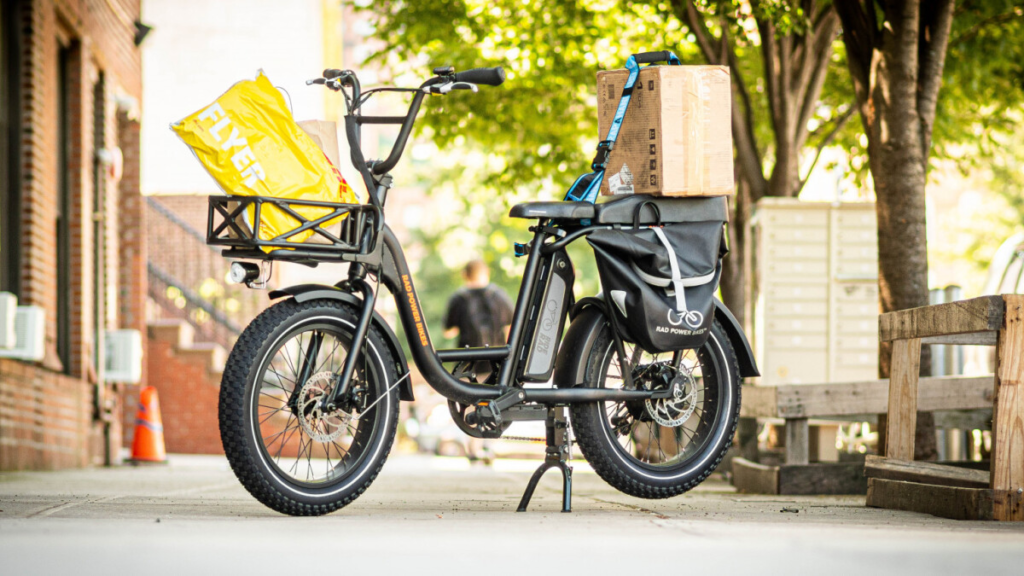
Cargo capacity ratings vary widely and the numbers require some interpretation. The total system weight figure includes the rider, any passengers, and all cargo combined. A bike rated for 150 kilograms total load with an 80 kilogram rider leaves 70 kilograms for cargo. That is enough for a week of grocery shopping, two children in a front box, or a substantial parcel delivery load. A bike rated for 120 kilograms total with the same rider leaves only 40 kilograms for cargo; workable for many tasks but tight for anyone planning to carry children and additional luggage simultaneously.
Frame construction quality is what ultimately determines whether a bike reliably handles its rated capacity over years of daily use or starts showing stress and mechanical wear within months. Welded aluminum frames are standard; look for double butted tubing and clean weld quality. Integrated cargo mounting points that are part of the frame structure are more robust than bolt on aftermarket additions. If you are evaluating a bike for regular heavy load use, it is worth seeking out owner reviews from people who have used the bike commercially or with consistently heavy loads rather than relying solely on manufacturer claims.
Guide on Selecting the Best Electric Cargo Bike for Personal and Commercial Use
Personal use buyers and commercial operators share some common priorities; reliability, adequate range, comfortable handling; but they diverge on others. A family buying a cargo bike for school runs and weekend errands will weight child safety features, ease of mounting and dismounting, and ride comfort more heavily. A business operator running daily delivery routes will prioritize payload efficiency, ease of cargo loading and securing, durability of components under repeated heavy use, and total cost per kilometer over the operating life of the bike.
For personal buyers: think about storage before anything else. A cargo bike is substantially larger than a standard bicycle. Measure the space where you plan to keep it and be honest about whether your planned storage solution is genuinely secure. Think also about the rides you will actually do rather than the rides you imagine doing; if you live in a hilly area, that mid-drive motor becomes considerably more important.
For commercial buyers, the HovCart Cargo e-bike is a model specifically engineered around working use rather than occasional personal errands. Its geometry, cargo configuration, and component choices reflect the demands of riders who need the bike to perform consistently across a full working day, five or six days a week, with real commercial loads. For operators evaluating cargo bikes as operational vehicles rather than lifestyle purchases, that distinction in design intent matters in ways that show up clearly after three to six months of daily use.
Safety Features: Not Optional on a Heavily Loaded Bike
A cargo e-bike carrying 60 to 80 kilograms of combined load and traveling at 25 kilometers per hour has considerably more momentum than a standard bicycle. Stopping that momentum safely and consistently is not a minor consideration. Hydraulic disc brakes are the appropriate standard for any cargo bike used regularly with significant loads; they provide modulated, reliable stopping power in wet and dry conditions without the progressive fade that mechanical disc brakes can develop under heavy repeated use.
Lighting matters more on a cargo bike than on a standard bicycle for reasons beyond basic visibility. A longer, wider vehicle in traffic needs to be clearly visible from multiple angles. Integrated lighting running from the main battery removes the reliability issues of clip-on lights and ensures the bike is always visible without depending on the rider remembering to charge separate units.
Tire width and quality affect stability under load significantly. Wider tires in the 2.0 to 2.4 inch range provide a larger contact patch that improves load distribution and handling predictability. Puncture resistant tires are worth the modest additional cost for any bike being used commercially; a puncture on a delivery route is not just an inconvenience, it is a service interruption with a direct operational cost.
A point that does not appear in most spec sheets: test the bike’s handling specifically when the cargo area is fully loaded. Some bikes that feel nimble empty become noticeably sluggish or unpredictable under weight, particularly through corners. A reputable dealer will let you do this; insist on it before buying.
Comfort Over Long Rides: Often Underestimated
Riders who use their cargo bike for occasional short trips will find almost any reasonably designed model comfortable enough. Riders who use the bike daily for an hour or more will start to notice quality-of-life differences that barely register on a short test ride: saddle shape and padding, handlebar height and reach, grip ergonomics, pedal platform size, and the smoothness of the motor assist engagement all accumulate into a meaningfully different experience over a full week of daily riding.
Suspension is worth considering for anyone planning to ride on surfaces that are anything other than smooth tarmac. A front suspension fork absorbs road imperfections and reduces fatigue over longer distances; it also helps maintain steering control when the cargo area is loaded, preventing the front wheel from skipping over rough patches in a way that becomes alarming under weight.
Saddle height adjustability sounds basic but matters practically for households where more than one person uses the bike. A wide range of seat post adjustment makes sharing the bike between riders of different heights genuinely practical rather than theoretical.
Real-Life Scenarios Worth Thinking Through
A parent doing two school runs per day covers roughly six to twelve kilometers daily in most suburban contexts. Load during those runs includes children, school bags, and often a stop at a shop on the way home. Total daily cargo load is typically 30 to 50 kilograms. A mid-capacity cargo bike with a 400 Wh battery and a reliable front cargo box or rear child seating system handles this comfortably with range to spare.
A florist or bakery owner running morning deliveries across a two-kilometer radius from their premises faces a different profile: multiple stops, varied load sizes, repeated dismounting and remounting, and a priority on getting the cargo bay loaded and secured quickly between stops. Cargo accessibility, a stable parking kickstand, and a motor that engages smoothly from a standing start with a loaded bike matter more here than maximum range.
A tradesperson carrying a moderate tool kit to jobs within a five-kilometer radius of a home base is often surprised to find that a compact cargo bike fits their needs better than they expected. Tool weight is typically manageable within a longtail cargo configuration; parking at job sites is simple; and the daily running cost compared to operating a van makes the economics striking once you sit down and run the actual numbers.
Making the Decision With Confidence
The cargo ebike that makes sense for you depends entirely on what your actual daily life looks like, not on what sounds impressive in a specification list. Start with your use case: write down the three or four things you would do with this bike every week if you had it. Then match the specifications to those tasks specifically. Prioritize range, payload, and motor performance for commercial and high-mileage use. Prioritize handling, child compatibility, and comfort features for family use. For both categories, do not compromise on brake quality or frame integrity.
Test ride before buying. Talk to current owners in forums and local cycling groups; their honest accounts of what works and what does not after six months of real use are more valuable than any review written shortly after delivery. And buy from a seller who offers a warranty and has a servicing arrangement in place; a cargo bike is a working vehicle, and you will want someone reliable to call when something eventually needs attention.