How Off-Grid Solar Inverters Work

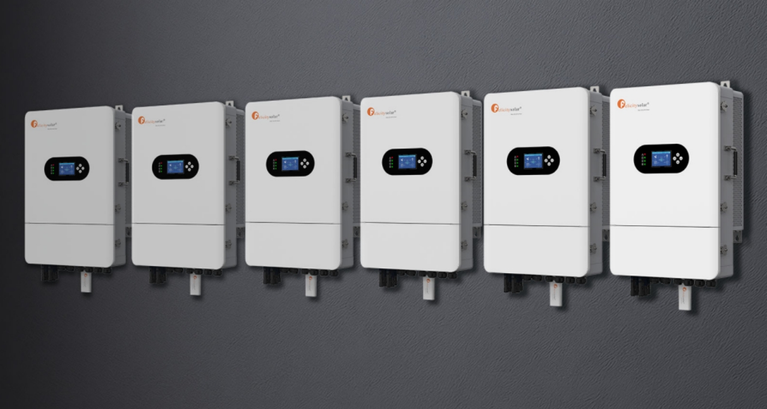
An independent solar power system needs more than solar panels to provide useful electricity. Solar panels produce direct current, while most electrical appliances require alternating current. An off-grid solar inverter bridges this difference by converting and managing electrical energy for use in homes, businesses, agricultural facilities, and remote locations.
Understanding how an off-grid inverter works can help users plan a solar system that matches their electricity requirements and battery storage capacity.
The Role of the Solar Inverter
Solar panels generate DC electricity when exposed to sunlight. Most household and commercial appliances, however, are designed to operate on AC electricity.
The inverter receives DC power and converts it into AC power. In an off-grid installation, it also helps establish the independent AC supply required by connected equipment.
Many modern inverter systems perform additional functions. Depending on the model, they can manage battery charging, monitor energy production, regulate power flow, and provide protection against certain electrical problems.
Solar Power and Battery Storage
A typical off-grid system combines solar panels with batteries. During the day, solar panels produce electricity that can be used immediately.
If production exceeds current consumption, the extra energy can be stored in the batteries. Later, when sunlight is unavailable or insufficient, the stored energy can be sent through the inverter and converted into AC power.
Battery storage therefore plays an important role in maintaining electricity availability throughout the day and night.
Power Conversion Process
The conversion process begins when DC electricity enters the inverter. Electronic switching components rapidly control the electrical current to create an AC waveform.
The inverter then supplies this AC electricity to connected loads. Advanced control systems continuously monitor operating conditions to maintain appropriate voltage and frequency.
This electronic conversion happens very quickly, allowing electrical equipment to operate normally even though its energy originally came from a DC solar source.
Sizing an Off-Grid Solar Inverter
Proper sizing is essential for system performance. The inverter must be capable of handling the total electrical demand of the connected loads.
Users should make a list of appliances and equipment and identify their power consumption. The calculation should account for devices that may operate simultaneously.
Startup power should also be considered. Motors and compressors can draw significantly more power for a short period when starting than they consume during normal operation.
Choosing an inverter based only on average electricity consumption may therefore result in an undersized system.
Battery Capacity and Runtime
Inverter capacity and battery capacity are related but represent different things.
The inverter determines how much electrical power can be supplied at a given time. Battery capacity determines how much energy can be stored and used over a period.
For example, a system may have enough inverter capacity to operate several appliances simultaneously but still have limited runtime if the battery bank is small.
When designing an off-grid installation, both power demand and energy consumption should be considered.
Efficiency Matters
Inverters consume some energy during the conversion process. The difference between the DC energy entering the inverter and AC energy delivered to the loads represents conversion losses.
Efficiency can be especially important in an off-grid system because all available energy comes from sources such as solar panels or batteries.
A well-matched inverter can help minimize unnecessary losses and improve the overall utilization of generated electricity.
Common Protection Functions
Off-grid solar inverters may include several protection mechanisms. These can include overload protection, short-circuit protection, temperature monitoring, and low-voltage shutdown.
Some systems can also detect abnormal battery conditions or other operating issues.
These features provide an additional layer of protection, but they should be combined with appropriate circuit breakers, wiring, grounding, ventilation, and professional installation.
Where Off-Grid Inverters Are Used
Off-grid solar technology can be useful in areas where utility electricity is unavailable or unreliable.
Remote residential properties can use solar panels and batteries to provide everyday electricity. Agricultural operations can use systems to operate water pumps, electric fencing, lighting, and monitoring equipment.
Off-grid systems can also be installed at remote communication sites, cabins, workshops, and other facilities that require independent electricity.
Monitoring System Performance
Many modern inverters provide monitoring features that allow users to view information about power production, battery status, load consumption, and system conditions.
Monitoring can help identify unusual energy consumption or potential equipment problems. Some systems provide mobile or web-based monitoring, allowing users to check performance remotely.
This can be particularly useful for installations located far from the owner or maintenance team.
Conclusion
An off-grid solar inverter converts electricity from solar panels and batteries into usable AC power while helping manage energy within an independent power system.
Selecting the right model requires attention to inverter capacity, battery compatibility, efficiency, protection features, and expected electrical loads. With proper sizing and installation, an off-grid inverter can support reliable solar electricity for residential, agricultural, commercial, and remote applications.