What Flag Is Green, White, and Orange? Everything You Need to Know
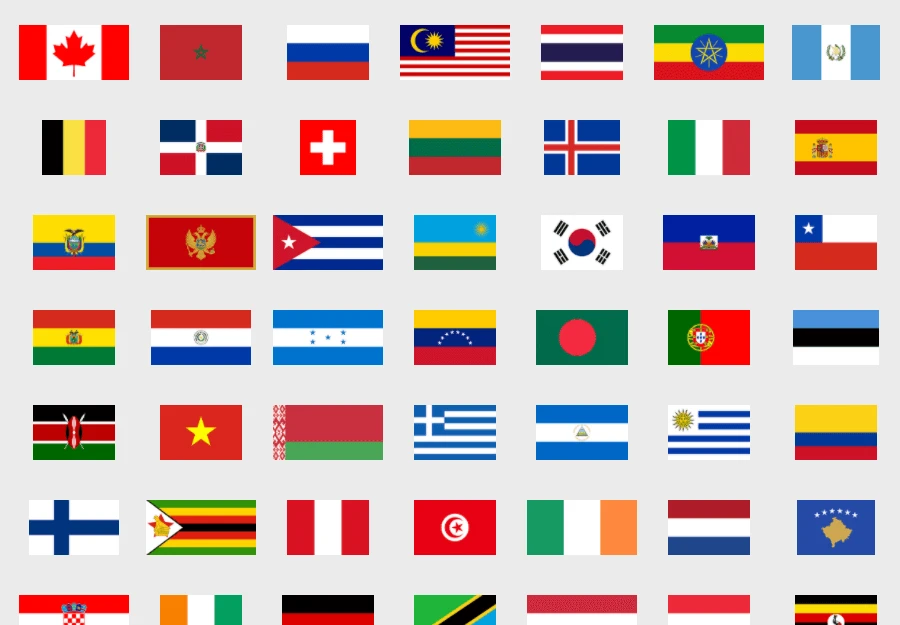
Flags are more than just colorful pieces of fabric. They carry the weight of history, the hopes of nations, and the identity of entire peoples. Among the most striking color combinations in the world of vexillology the study of flags green, white, and orange hold a special place. These three colors appear on several national flags, each telling a completely different story. Whether someone is a history enthusiast, a trivia lover, or someone who enjoys a good flag quiz game, understanding what these colors represent is both fascinating and rewarding.
The Most Famous Green, White, and Orange Flag: Ireland
When most people think of a green, white, and orange flag, Ireland is the first country that comes to mind and for good reason. The Irish Tricolor, officially adopted in 1922, features three equal vertical stripes arranged from left to right: green, white, and orange.
Each color carries deep symbolic meaning:
Green has long been associated with Irish nationalism and the Catholic majority of the island. It is tied to the lush landscapes of Ireland and centuries of resistance against colonial rule.
Orange represents the Protestant community in Ireland, particularly the followers of William of Orange, who played a major role in Irish history during the 17th century.
White sits in the middle and that placement is entirely intentional. The white stripe symbolizes peace and the hope for unity between the green (Catholic/nationalist) and orange (Protestant/unionist) communities. It is a visual prayer for reconciliation.
The Irish Tricolor was inspired by the French Tricolor and was famously carried during the 1848 Young Ireland uprising. Thomas Francis Meagher is often credited with introducing it as a symbol of a united Ireland. Today, it flies proudly as the national flag of the Republic of Ireland and is instantly recognizable worldwide.
India’s Tricolor: Saffron, White, and Green
India’s national flag the Tiranga, meaning “tricolor” is another globally recognized flag that features these three colors, though in a different arrangement and with distinct shades.
The Indian flag has three horizontal bands:
- Saffron (deep orange) at the top
- White in the middle
- India green at the bottom
At the center of the white band sits the Ashoka Chakra, a navy blue wheel with 24 spokes. This wheel is taken from the Lion Capital of Ashoka, a historical emblem from the Maurya Empire, and it symbolizes the eternal wheel of law and righteousness.
The colors of the Indian flag carry strong meaning:
- Saffron represents courage, sacrifice, and the spirit of renunciation.
- White stands for truth, peace, and purity.
- Green reflects faith, fertility, and the prosperity of the land.
The current design was officially adopted on July 22, 1947, just weeks before India gained independence from British rule on August 15, 1947. The flag is governed by strict rules under the Flag Code of India, which specifies how it must be displayed and handled with respect.
Côte d’Ivoire: The Mirror of Ireland
Here is a fun fact that often surprises people including those who compete in a flag quiz game: the flag of Côte d’Ivoire (Ivory Coast) looks almost identical to the Irish flag, but in reverse.
The Ivorian flag also has three vertical stripes, but the order goes: orange, white, and green from left to right the exact opposite of Ireland’s green, white, and orange arrangement. Despite the near-identical appearance, the two flags are entirely unrelated in origin and symbolism.
For Côte d’Ivoire:
- Orange represents the savannas in the northern part of the country and the spirit of national development.
- White symbolizes peace.
- Green reflects the forests of the south and hope for the future.
The Ivorian flag was adopted on December 3, 1959, when the country was still preparing for independence from France (which came in 1960). The resemblance to the Irish flag is purely coincidental both nations simply drew their inspiration from the French Tricolor design.
Niger: A Subtle Variation
Niger, the landlocked West African nation, also flies a flag with green, white, and orange this time arranged in horizontal stripes with an orange circle at the center of the white band.
- Orange (top stripe) represents the Sahara Desert in the north.
- White (middle stripe) stands for purity and innocence.
- Green (bottom stripe) symbolizes hope and the fertile regions in the south.
- The orange circle at the center represents the sun and also echoes the color of the top stripe.
Niger’s flag was officially adopted on November 23, 1959. Though less globally recognized than Ireland’s or India’s tricolor, it carries a rich meaning that reflects the country’s geography and aspirations.
Why These Colors Matter in Flag Design
Green, white, and orange are not chosen randomly. Across different cultures and continents, these colors carry certain universal associations:
- Green is almost universally linked to nature, growth, agriculture, and in many Islamic cultures, it holds spiritual significance.
- White is a near-universal symbol of peace, honesty, and clarity.
- Orange often represents energy, courage, sacrifice, and in some traditions, religious identity.
The fact that multiple nations from Europe to South Asia to West Africa arrived at similar color combinations independently speaks to how deeply these meanings are embedded in human culture.
Flags That Are Easy to Confuse
One of the most entertaining challenges in any flag quiz game is distinguishing between flags that look nearly identical. The Ireland vs. Côte d’Ivoire situation is a perfect example, but there are others worth knowing:
- India vs. Niger: Both have horizontal orange, white, and green stripes with a symbol in the center, though the shades and symbols differ.
- Ireland vs. Italy: Both have green, white, and a third color in vertical stripes (Italy uses red instead of orange).
Knowing the subtle differences the orientation of stripes, the placement of symbols, and the exact shades of colors is what separates a flag enthusiast from a true expert.
The Bigger Picture: What Flags Teach
Studying flags opens a window into the soul of a nation. The colors chosen, the symbols placed, and the proportions used are all deliberate decisions made at pivotal moments in a country’s history. Understanding these choices builds a deeper appreciation for the diversity of human experience.
Whether encountered in a classroom, a museum, or while enjoying a casual flag quiz game with friends, the flags of Ireland, India, Côte d’Ivoire, and Niger each tell a compelling story worth knowing. They remind the world that three simple colors green, white, and orange can mean entirely different things depending on who is flying them and why.