Tissue Paper Packing Machine: A Complete Guide to Modern Paper Packaging Solutions
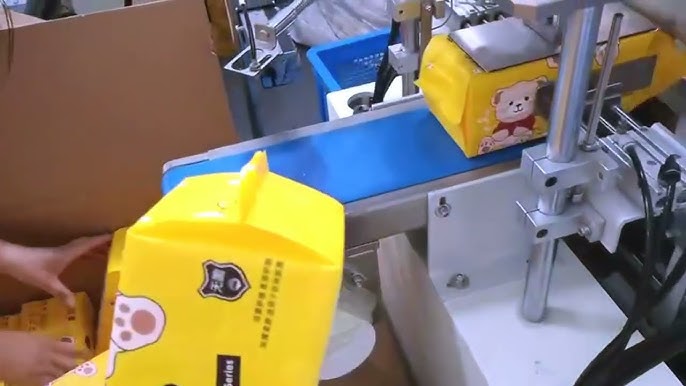
The tissue paper industry has expanded significantly as demand for hygienic, convenient, and disposable paper products continues to increase. Tissue products are used in homes, offices, hotels, restaurants, hospitals, shopping centers, and many other places. From facial tissues and toilet rolls to kitchen towels and napkins, these products are now an essential part of everyday life.
As the demand for tissue products grows, manufacturers need efficient methods to prepare their products for distribution and retail sale. Packaging is an important part of this process because it protects tissue paper from dust, moisture, and handling while also giving the final product a clean and professional appearance. A modern Tissue Paper Packing Machine can help manufacturers automate packaging operations, improve production efficiency, and maintain consistent packaging quality.
For businesses producing tissue products on a large scale, relying entirely on manual packaging can be time-consuming and difficult to manage. Automated packaging equipment provides a more organized approach that allows manufacturers to handle higher production volumes while maintaining reliable results.
What Is a Tissue Paper Packing Machine?
A Tissue Paper Packing Machine is specialized equipment designed to package different types of tissue paper products using suitable packaging materials. Depending on the machine configuration, it can be used for products such as facial tissues, toilet tissue rolls, kitchen towels, paper napkins, and other related products.
The packaging process may involve product feeding, arrangement, wrapping, sealing, cutting, labeling, or other operations depending on the specific system.
The main purpose of this equipment is to reduce repetitive manual work and create a consistent packaging process. By automating suitable tasks, manufacturers can improve production flow and prepare finished products more efficiently.
Why Tissue Paper Packaging Is Important
Tissue paper products are lightweight and delicate compared with many other consumer goods. Without suitable packaging, they can be exposed to dust, moisture, dirt, and unnecessary handling.
Good packaging helps protect the tissue products from the moment they leave the production line until they reach the final customer. It also makes the products easier to transport, store, and display.
For retail products, packaging has another important role. Customers often judge a product by its appearance before making a purchase. Clean, neatly sealed, and professionally presented tissue packages can create a positive impression and help strengthen a brand’s image.
Improving Production Efficiency
One of the main benefits of using automated tissue packaging equipment is improved production efficiency. Manual packaging requires workers to repeatedly perform tasks such as arranging products, placing packaging material, wrapping packages, and sealing them.
These activities can become difficult to manage when production volumes increase.
A modern packaging machine can automate many repetitive operations and maintain a continuous workflow. This allows manufacturers to process more products within a specific period.
Higher efficiency can help businesses respond to large orders and reduce delays between production and distribution. However, actual output depends on the machine model, product type, package dimensions, and production settings.
Consistent Packaging Quality
Consistency is important for manufacturers producing tissue products under a specific brand. Customers expect packages purchased at different times to have a similar appearance and quality.
Manual packaging may sometimes result in differences in wrapping, sealing, or package positioning. Automated equipment can help reduce these variations by performing repetitive operations according to predefined settings.
Consistent packaging can make products look more professional and easier to organize. It can also help manufacturers maintain a uniform appearance across large production batches.
Protecting Tissue Products
Tissue paper can be affected by moisture and contamination. Once the paper becomes wet or dirty, its quality and appearance may be compromised.
Suitable packaging creates a protective barrier between the tissue product and the external environment. Depending on the packaging material, it can help reduce exposure to dust, moisture, and other unwanted conditions.
This protection becomes especially important during transportation and storage. Products may travel through warehouses, delivery vehicles, distribution centers, and retail stores before reaching consumers.
A reliable packaging process helps ensure that products remain clean and presentable throughout this journey.
Packaging Different Tissue Products
The tissue industry includes many different product categories. Facial tissues may be packed in small boxes or soft packages, while toilet paper and kitchen rolls are often grouped together in larger packs.
Paper napkins may require different packaging formats depending on their size and quantity.
Because of this variety, manufacturers should select packaging equipment according to their specific product requirements.
Some systems are designed for particular product types, while others may offer greater flexibility. Businesses producing multiple tissue products should consider whether their equipment can accommodate different package sizes and formats.
Reducing Manual Labor
Packaging tissue products manually can require a significant amount of repetitive work. Employees may spend long periods arranging products, wrapping packages, and sealing them.
Automation can reduce the amount of repetitive work required from employees and allow them to focus on other responsibilities.
Workers can monitor the equipment, perform quality inspections, prepare packaging materials, and manage production operations.
This combination of automation and human supervision can create a more efficient manufacturing environment.
Automation does not eliminate the importance of skilled workers. Instead, it allows employees to perform more productive roles while machines handle suitable repetitive tasks.
Better Product Presentation
Packaging is an important part of product marketing. In retail environments, tissue products compete with many similar products from different brands.
Professional packaging can help a product stand out. Clear labeling, attractive graphics, and consistent wrapping can make a brand appear more reliable and organized.
A Tissue Paper Packing Machine can support consistent packaging results by ensuring that products are wrapped and sealed in a uniform manner.
For businesses selling premium tissue products, packaging quality can be especially important because customers may associate professional presentation with overall product quality.
Reducing Packaging Waste
Efficient packaging processes can also help businesses manage material consumption. Manual packaging errors may lead to damaged wrapping materials, incorrect sealing, or products that need to be repacked.
Automated equipment can provide greater control over repetitive packaging operations. When correctly configured, it can help reduce certain types of packaging errors and unnecessary material usage.
Reducing waste can help businesses control production costs and may also support sustainability goals.
However, waste reduction depends on many factors, including machine settings, operator training, packaging materials, and maintenance.
Supporting Storage and Transportation
Tissue products are often lightweight but can take up significant storage space because of their volume. Efficient packaging can help manufacturers organize products more effectively.
Uniform package sizes can make products easier to stack and arrange in warehouses. Proper sealing can also help keep packages secure during transportation.
When products are prepared consistently, logistics teams can manage shipments more easily. This can improve the overall flow from manufacturing facilities to distributors and retailers.
Choosing the Right Equipment
Selecting suitable packaging machinery requires careful consideration. Manufacturers should evaluate the type of tissue products they produce and the packaging formats they use.
Important factors may include:
- Type of tissue product
- Package size and dimensions
- Required production capacity
- Packaging material
- Desired automation level
- Available factory space
- Maintenance requirements
- Operator training
- Technical support
Businesses should also consider future expansion. If production volumes are expected to increase, selecting equipment with suitable capacity may provide better long-term value.
Importance of Machine Maintenance
Regular maintenance is essential for keeping packaging machinery operating reliably. Dust and paper particles can accumulate around equipment, so proper cleaning and inspection are important.
Manufacturers should follow the equipment supplier’s maintenance recommendations. Operators should also be trained to identify potential problems before they affect production.
Routine maintenance can help reduce unexpected downtime and support consistent packaging performance.
Keeping machinery in good condition can also help extend its operational life and protect the company’s investment.
The Future of Tissue Paper Packaging
The tissue paper industry continues to evolve as consumers become more focused on hygiene, convenience, and sustainability. Manufacturers are therefore looking for packaging solutions that can improve efficiency while supporting changing market requirements.
Automation is expected to remain an important part of modern tissue production. Advanced equipment may increasingly offer better flexibility, improved monitoring, and integration with other production systems.
At the same time, manufacturers are exploring packaging materials and designs that can reduce environmental impact while maintaining product protection.
Businesses that invest in suitable technology and efficient processes can be better prepared to meet future market demands.
Conclusion
A modern Tissue Paper Packing Machine can play an important role in improving the packaging process for tissue manufacturers. From facial tissues and toilet rolls to kitchen towels and paper napkins, suitable packaging equipment can help businesses protect their products and prepare them for distribution.
Automated packaging can improve production efficiency, reduce repetitive manual work, support consistent quality, and create a professional final appearance. It can also help businesses manage storage, transportation, and material usage more effectively.
Before selecting equipment, manufacturers should carefully evaluate their product types, packaging requirements, production capacity, and future growth plans. Proper maintenance and trained operators are equally important for achieving reliable long-term performance.
As demand for tissue products continues to grow, efficient packaging technology will remain an important part of the industry. With the right equipment and a well-organized production process, tissue manufacturers can improve productivity, maintain product quality, and build a stronger foundation for sustainable business growth.