Cosmetic Filling Machine:Revolutionizing the Beauty and Personal Care Industry
Introduction
The cosmetic industry is growing rapidly, and manufacturers are always looking for better ways to improve production, save time, and maintain product quality. One of the most important machines used in cosmetic production is a Cosmetic Filling Machine. This machine is designed to accurately fill different cosmetic products into bottles, jars, tubes, containers, and other packaging.
From creams and lotions to shampoos, gels, liquid foundations, and skincare products, cosmetic filling machines help manufacturers handle the filling process quickly and efficiently. Instead of depending completely on manual labor, businesses can use automated or semi-automatic filling equipment to achieve better accuracy and consistent results.
In this article, we will discuss what a cosmetic filling machine is, how it works, its main types, benefits, applications, and important factors to consider before choosing the right machine.
What Is a Cosmetic Filling Machine?
A cosmetic filling machine is specialized equipment used to fill cosmetic products into their final containers. The machine controls the amount of product being filled, helping manufacturers maintain consistency across thousands of packages.
Cosmetic products come in different forms and have different levels of thickness. For example, a liquid toner requires a different filling method compared to a thick face cream or hair gel. This is why cosmetic filling machines are available in different designs and configurations to handle a wide range of products.
Modern machines can be adjusted according to the product type, container size, and required filling volume. Depending on the production requirements, manufacturers can choose between manual, semi-automatic, and fully automatic systems.
How Does a Cosmetic Filling Machine Work?
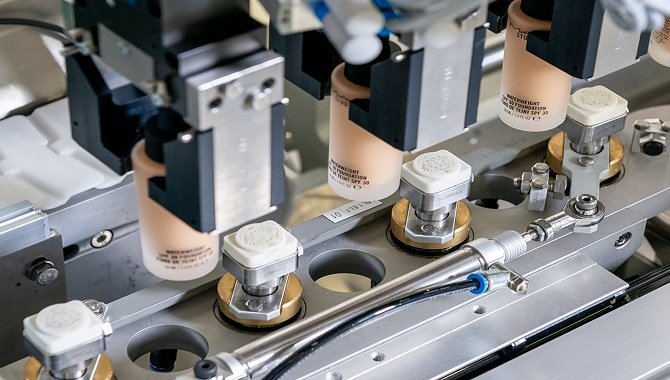
The working process of a cosmetic filling machine is relatively simple but highly efficient. First, the cosmetic product is stored in a holding tank or hopper. The product is then transferred toward the filling nozzles using a pump or other filling mechanism.
Empty containers are placed below the filling nozzles. The machine measures a specific quantity of product and releases it into each container. Once the filling process is completed, the containers move to the next stage, such as capping, sealing, labeling, or packaging.
The exact working method depends on the type of filling machine. Some machines use piston pumps for thick products, while others use peristaltic pumps or gravity-based systems for liquids.
Types of Cosmetic Filling Machines
There are several types of cosmetic filling machines available in the market. Each type is designed for specific products and production requirements.
1. Liquid Cosmetic Filling Machine
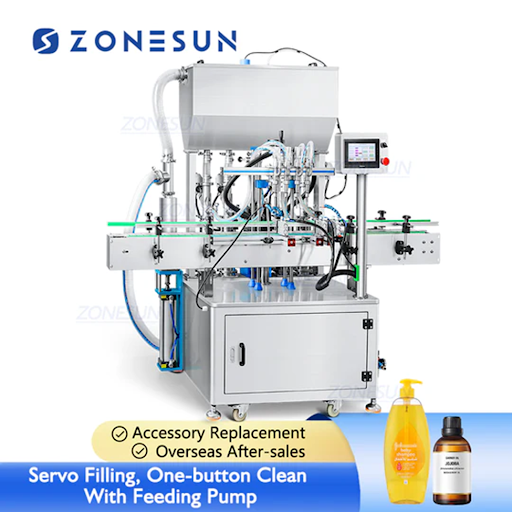
Liquid filling machines are commonly used for products such as liquid foundation, toner, perfume, facial serum, and other low-viscosity cosmetic products. These machines provide accurate filling and help reduce product waste.
2. Cream Filling Machine
Cream filling machines are designed for thicker cosmetic products. They are suitable for face creams, moisturizers, body creams, lotions, and similar products. Piston-based filling systems are often used because they can handle products with higher viscosity.
3. Lotion Filling Machine
Lotion filling machines are used for filling body lotions, hand lotions, and other skincare products. They are designed to provide consistent filling volumes and can often be connected with automatic capping and labeling systems.
4. Tube Filling Machine
Tube filling machines are suitable for cosmetic products packed in plastic or laminated tubes. They are commonly used for toothpaste, cosmetic creams, gels, and skincare products.
5. Automatic Cosmetic Filling Machine
Fully automatic machines are designed for large-scale production. They can perform multiple operations with minimum human involvement. Depending on the production line, the machine may automatically position containers, fill products, and transfer them to the next packaging stage.
Benefits of Using a Cosmetic Filling Machine
One of the biggest advantages of using a cosmetic filling machine is improved production efficiency. Manual filling can take a significant amount of time, especially when a company needs to produce thousands of products every day.
A filling machine can complete the process much faster while maintaining consistent filling volumes. This can help manufacturers reduce labor requirements and improve overall productivity.
Another major benefit is accuracy. Even a small difference in the quantity of cosmetic product can affect product quality and production costs. Automated filling systems help ensure that each container receives the correct amount of product.
The machines can also reduce product wastage. When filling is done manually, spills and inconsistent measurements can result in unnecessary product loss. A properly calibrated machine provides better control over the filling process.
Hygiene is another important advantage. Cosmetic products need to be handled carefully to maintain quality and safety. Modern filling machines are often manufactured using stainless steel and easy-to-clean components, making them suitable for hygienic production environments.
Applications of Cosmetic Filling Machines
Cosmetic filling machines are used by a wide range of manufacturers. They can be found in small cosmetic businesses as well as large-scale manufacturing factories.
Common applications include:
- Face creams
- Body lotions
- Shampoos
- Hair conditioners
- Facial serums
- Sunscreen products
- Liquid foundations
- Cleansing products
- Gels
- Moisturizers
- Makeup products
- Personal care products
The flexibility of these machines makes them valuable for companies producing different types of cosmetic and personal care products.
How to Choose the Right Cosmetic Filling Machine
Choosing the right machine depends on several factors. The first consideration should be the type of cosmetic product being filled. A machine designed for thin liquids may not be suitable for thick creams or gels.
The production capacity is another important factor. Small businesses may prefer a semi-automatic machine, while large manufacturers may need a fully automatic production line capable of handling high volumes.
Container size and shape should also be considered. If a company uses different types of bottles, jars, or tubes, it is important to select equipment that can accommodate those containers.
Filling accuracy is also essential. Manufacturers should choose a machine that provides reliable and consistent filling performance.
The machine should also be easy to clean and maintain. Since cosmetic products can leave residues inside tanks and pipelines, hygienic design and easy maintenance can help reduce downtime.
For manufacturers interested in advanced industrial filling and packaging equipment, it is useful to explore reliable cosmetic filling machine solutions and compare their features before making a purchasing decision.
Automatic vs. Semi-Automatic Cosmetic Filling Machines
Both automatic and semi-automatic machines have their own advantages. Semi-automatic machines are often suitable for small and medium-sized businesses. They require some operator involvement but can still provide better accuracy and speed compared to completely manual filling.
Automatic machines are better suited for companies with high production demands. They can be integrated into complete production lines and may perform filling, capping, and other packaging operations automatically.
The choice depends on the company’s production volume, available budget, labor requirements, and future growth plans.
Importance of Machine Maintenance
Regular maintenance is necessary to keep a cosmetic filling machine working properly. Operators should clean the machine after production and inspect important components regularly.
Filling nozzles, pumps, seals, and other moving parts should be checked according to the manufacturer’s maintenance instructions. Proper maintenance can help prevent unexpected breakdowns and improve the working life of the equipment.
Using the machine according to the manufacturer’s guidelines is also important. Overloading the system or using unsuitable products may affect performance.
Future of Cosmetic Filling Technology
The future of cosmetic manufacturing is moving toward greater automation and smarter production systems. Modern filling machines are becoming more precise, efficient, and easier to operate.
Advanced systems may include digital control panels, automatic product monitoring, programmable filling settings, and integration with complete packaging lines. These technologies can help manufacturers improve production speed while maintaining consistent product quality.
As consumer demand for cosmetics and skincare products continues to increase, manufacturers will need efficient equipment to meet market requirements. This is likely to increase the demand for advanced filling and packaging solutions.
Businesses looking for complete packaging solutions can also explore advanced cosmetic packaging equipment to understand how filling machines can be combined with other production equipment.
Conclusion
A Cosmetic Filling Machine is an important part of modern cosmetic manufacturing. It helps businesses improve filling accuracy, increase production speed, reduce product waste, and maintain consistent quality.
Whether a company produces creams, lotions, shampoos, serums, gels, or other cosmetic products, selecting the right filling machine can make a significant difference in the production process. From semi-automatic machines for smaller businesses to fully automatic systems for large factories, there are many options available according to different production needs.
Before purchasing a machine, manufacturers should carefully consider the product viscosity, container type, production capacity, filling accuracy, machine maintenance, and future business requirements. With the right equipment, cosmetic manufacturers can create a more efficient production process and meet the growing demands of the modern beauty and personal care market.