Filling Machine: A Complete Guide to Modern Filling Solutions
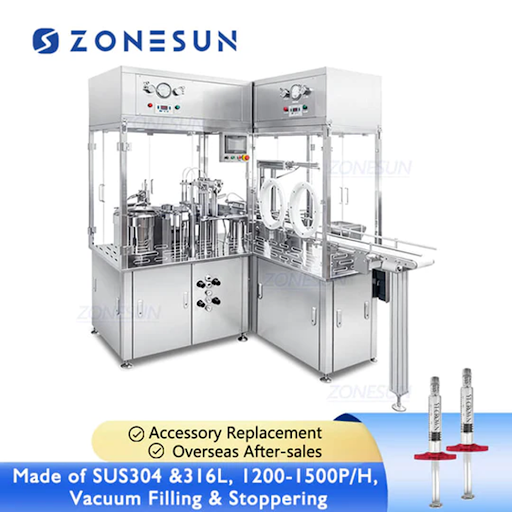
In today’s fast-growing manufacturing industry, accuracy, speed, and consistency are important for businesses that deal with liquid, semi-liquid, powder, and other products. One of the most useful machines for achieving these goals is a Filling Machine. It is widely used in industries such as food and beverages, cosmetics, pharmaceuticals, chemicals, personal care, and household products. Instead of manually putting products into bottles, jars, tubes, or other containers, filling equipment helps manufacturers complete the process faster and with better control.
A modern filling system can improve production efficiency while reducing product wastage. Depending on the type of product and container, different filling technologies can be selected. From small businesses to large industrial production plants, filling machines are available in many designs and capacities.
What Is a Filling Machine?
A filling machine is industrial equipment designed to transfer a specific quantity of a product into a container. The product may be liquid, thick liquid, cream, paste, powder, or another type of material. The machine controls the amount of product being dispensed, helping manufacturers maintain consistency throughout the production process.
Manual filling can take considerable time and may result in differences between individual containers. An automated or semi-automated machine can make the filling operation more precise and efficient. This is especially important for products that need to maintain a specific quantity in every package.
How Does a Filling Machine Work?
The working process depends on the design and filling technology used by the machine. Generally, empty containers are placed on a conveyor or positioned beneath filling nozzles. The product is stored in a hopper or holding tank and is then transferred through a controlled mechanism.
When the filling cycle begins, the machine delivers a predetermined amount of product into each container. Sensors and control systems help identify the position of containers and coordinate the filling operation. After the required quantity is dispensed, the filled containers move forward for the next production stage, such as capping, sealing, labeling, or packaging.
Advanced machines may use digital control panels that allow operators to adjust filling volume, speed, and other settings. This makes it easier to change production requirements without replacing the entire system.
Different Types of Filling Machines
There are several types of filling machines available, and each one is designed for specific applications.
Liquid Filling Machines
Liquid filling machines are commonly used for products such as water, juices, oils, sauces, shampoos, and cleaning solutions. Depending on the product’s viscosity and required accuracy, manufacturers can select different filling mechanisms.
Piston Filling Machines
Piston systems are suitable for thick and viscous products. They are often used for creams, lotions, pastes, sauces, and similar materials. The piston controls the product volume and helps provide consistent filling results.
Pump Filling Machines
Pump-based systems are useful when products require controlled movement from the storage tank to the container. Different pump technologies can be selected according to the characteristics of the product.
Powder Filling Machines
Powder filling equipment is designed for products such as spices, flour, pharmaceutical powders, and other dry materials. These systems are developed to handle powdered products while maintaining accurate quantities.
Volumetric Filling Machines
Volumetric machines fill containers according to a predetermined volume. They are useful when maintaining consistent quantities is an important part of the production process.
Why Is Filling Equipment Important?
One of the biggest advantages of modern filling equipment is improved production speed. Manual filling requires workers to measure and dispense products individually, which can slow down production. Automated systems can perform repetitive filling operations continuously, allowing manufacturers to increase output.
Another major benefit is accuracy. A well-designed filling system can deliver consistent quantities to each container. This can help reduce overfilling and product loss, which may have a positive impact on overall production costs.
Filling machines can also improve workplace organization. When the filling process is automated, operators can focus on monitoring the equipment and managing other production activities instead of repeatedly performing the same manual task.
Applications Across Different Industries
Filling technology is used in many manufacturing sectors. In the food industry, machines can be used for sauces, cooking oils, beverages, and other packaged products. The cosmetic industry uses filling equipment for creams, lotions, shampoos, and personal care products.
Pharmaceutical manufacturers may use specialized filling systems for certain medicines and healthcare products. Chemical companies also rely on filling equipment for cleaning products, industrial liquids, and other chemical formulations.
For cosmetic production businesses looking for reliable production solutions, cosmetic filling machine technology can help improve efficiency and consistency during packaging operations.
Factors to Consider Before Choosing a Machine
Selecting the right filling machine requires careful consideration. The first factor is the type of product being filled. A thin liquid may require a different filling system than a thick cream or paste.
The container size and shape are also important. Bottles, jars, tubes, pouches, and other packaging formats may require different machine configurations. Production volume is another key consideration. A small business may benefit from a semi-automatic system, while a large factory may require a fully automated production line.
Manufacturers should also consider cleaning and maintenance requirements. Equipment that is easy to clean and maintain can help reduce downtime and support a more efficient production environment.
For businesses handling high-volume production, choosing an appropriate automatic filling machine can provide better production speed and reduce the amount of manual work required.
Automation and Modern Filling Technology
Technology has significantly changed the way filling operations are performed. Modern machines can include programmable controls, sensors, digital displays, and automated adjustment systems. These features can help operators manage production parameters more effectively.
Some advanced production lines can integrate filling with capping, labeling, and packaging systems. This creates a continuous workflow where containers move from one stage to another with minimal manual handling.
Automation can also help manufacturers maintain better production records. Digital controls may allow operators to monitor machine performance and adjust settings according to production requirements.
Maintenance and Cleaning
Regular maintenance is essential for keeping filling equipment working efficiently. Operators should follow the manufacturer’s recommendations for cleaning, inspection, and lubrication. Product-contact components may require frequent cleaning, particularly in food, cosmetic, and pharmaceutical applications.
Nozzles, pumps, valves, and seals should be checked regularly for wear or damage. Proper maintenance can help prevent unexpected breakdowns and maintain consistent filling performance.
Conclusion
A filling machine is an important part of modern manufacturing and packaging operations. It helps businesses improve filling accuracy, increase production speed, reduce product wastage, and maintain consistent packaging quality. With different technologies available for liquids, creams, pastes, powders, and other products, manufacturers can choose equipment according to their specific requirements.
As production demands continue to increase, automated filling solutions are becoming more valuable for businesses of different sizes. By selecting the right machine and maintaining it properly, manufacturers can create a smoother and more efficient production process. Whether used in food processing, cosmetics, pharmaceuticals, chemicals, or other industries, modern filling equipment can play an important role in improving overall manufacturing performance.