What Makes Silica an Essential Mineral for Modern Industries
The Chemical Composition of Silica
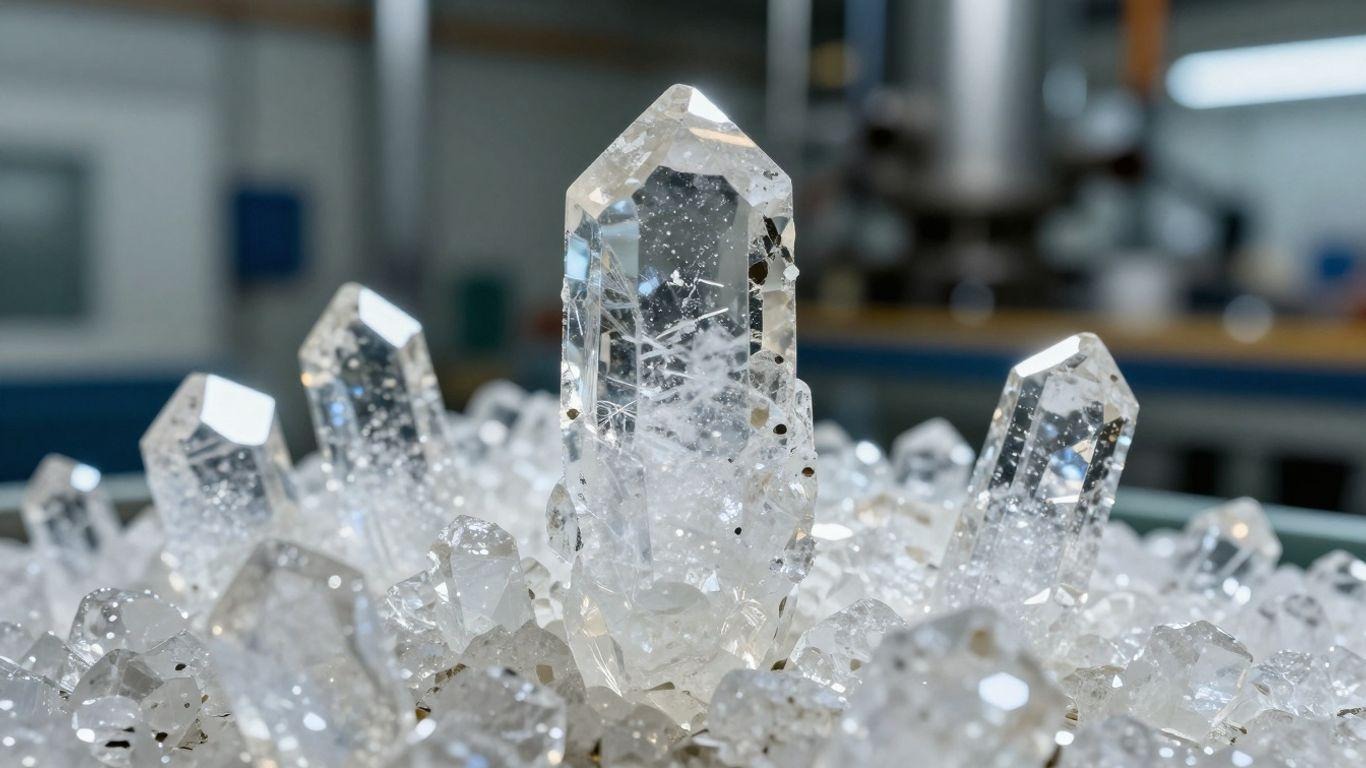
Silica, at its core, is a simple compound. It’s made from silicon and oxygen, two elements you find all over the place. The chemical formula is SiO₂, which means for every silicon atom, there are two oxygen atoms. This arrangement creates a really stable structure. It’s this basic makeup that gives silica its unique characteristics, making it a go-to material for so many different jobs.
This chemical makeup means silica is pretty tough. It doesn’t break down easily when exposed to different conditions. Think about how long sand has been around – that’s silica! Its natural abundance and straightforward composition are why we can use it so widely without worrying too much about running out or complex extraction processes.
Mechanical and Thermal Resilience
Silica is known for being tough, both physically and when it gets hot. It can handle a lot of stress without breaking or deforming. This makes it super useful in places where things get rough or heated up. Whether it’s in building materials that need to last or in industrial processes that involve high temperatures, silica holds its own.
Its ability to withstand heat is particularly important. Many materials would melt or degrade under high temperatures, but silica stays solid and stable. This thermal resilience is a big reason why it’s used in things like furnace linings and high-temperature manufacturing. It’s a reliable performer when the heat is on.
Chemical Stability and Inertness
One of the standout features of silica is how chemically stable it is. It doesn’t react much with other substances, which is a huge advantage. This inertness means it won’t corrode or break down when it comes into contact with acids, bases, or other reactive chemicals. This property is key for its use in various industrial applications where chemical resistance is a must.
Because silica is so unreactive, it’s often used as a protective layer or a filler that won’t interfere with the main components of a product. This chemical stability is why you find silica in everything from food packaging to advanced electronics. It just sits there, doing its job without causing problems. The chemical stability of silica is a quiet hero in many modern products.
Silica’s Indispensable Role in Construction and Infrastructure
Enhancing Strength in Concrete and Mortar
Silica plays a big part in making concrete and mortar tougher. When you add silica, especially in the form of silica fume, to cement mixes, it really boosts the strength and makes the final product last much longer. Think about big projects like bridges and skyscrapers; they need materials that can handle a lot of stress and wear. Silica helps achieve that.
This mineral isn’t just about making things strong, though. It also helps concrete resist damage from things like chemicals and abrasion. This means structures built with silica-enhanced materials don’t break down as quickly, saving money on repairs down the road. It’s a key ingredient for building things that are meant to stand the test of time.
The addition of silica is a simple way to get much better performance from common building materials. It’s used in everything from sidewalks to high-rise buildings, proving its worth in everyday construction and massive infrastructure projects alike. The durability it provides is a major reason why silica is so widely used.
Durability in Roads and Bridges
When it comes to roads and bridges, durability is everything. We need these structures to last for decades, facing all sorts of weather and heavy traffic. Silica is a big help here. Adding silica sand to asphalt and concrete mixes makes them much more resistant to cracking and crumbling.
This means fewer potholes and less wear and tear on our transportation networks. Bridges, in particular, benefit from the added strength and resistance to environmental factors that silica provides. It’s all about making sure these vital links in our infrastructure can handle the load and last.
The use of silica in road and bridge construction directly translates to safer and more reliable travel for everyone.
Structural Integrity in Glass and Ceramics
Glass and ceramics, while not always thought of as ‘infrastructure’ in the same way as roads, are absolutely vital to our built environment. Think about windows in buildings, tiles in bathrooms, or even the pipes that carry water. Silica is the main ingredient in most glass and a key component in many ceramics.
Its ability to withstand high temperatures and its chemical stability make it perfect for these applications. Whether it’s a window pane letting in light or a ceramic tile resisting moisture, the structural integrity provided by silica is what makes these products functional and long-lasting. It’s a material that forms the backbone of many everyday items we rely on.
- High melting point: Allows for easy shaping into various forms.
- Chemical resistance: Prevents degradation from common substances.
- Hardness: Provides scratch and wear resistance.
Silica’s Critical Function in Advanced Manufacturing
Enabling Semiconductor Fabrication
Silica is a big deal in making the tiny computer chips that power everything from your phone to supercomputers. Its super-pure form is used to create silicon wafers, which are the base for integrated circuits. The chemical stability of silica means it can handle the intense processes needed to etch these complex designs.
This material’s ability to act as an insulator is key to preventing electrical shorts. Without silica, modern electronics just wouldn’t work the way they do. It’s a quiet workhorse, making sure billions of transistors can fit onto a single chip.
Powering Solar Energy Solutions
When we talk about solar power, silica is right there. High-purity silica is the starting point for silicon used in solar panels. These panels convert sunlight into electricity, and the silicon’s properties are what make this possible.
| Component | Role of Silica |
| Solar Cells | Base material for photovoltaic conversion |
| Encapsulation | Protective layers for durability |
Silica’s role here is pretty straightforward: it’s the foundation for capturing solar energy efficiently and reliably.
Applications in Optical Fibers and LEDs
Think about how we communicate today – fiber optics are a huge part of that. These super-thin glass strands, made primarily from silica, transmit data using light signals over long distances. The purity and transparency of silica are unmatched for this job.
- Data Transmission: Enables high-speed internet and telecommunications.
- Medical Imaging: Used in endoscopes for internal examinations.
- Lighting: Key component in efficient LED manufacturing.
Silica’s unique optical properties make it indispensable for these technologies that connect us and light up our world.
Silica’s Versatility in Industrial Processes
Essential Component in Glass and Ceramics
Silica is a main ingredient for making glass. When quartz sand heats up a lot, it turns into glass for windows, bottles, and jars. It’s also used for special glass like lenses and fiber optics that help with communication. In ceramics, silica helps make porcelain and pottery, plus materials that can handle high heat for kilns and furnaces. This heat resistance is why silica is so important for glass and ceramics.
Foundry and Metallurgy Applications
In foundries, silica sand is used to make molds for casting metals. It holds its shape well even when hot metal is poured in. This means foundries can create complex metal parts reliably. Silica’s ability to withstand high temperatures makes it a go-to material for these demanding jobs. It helps ensure that metal parts come out right, every time.
Functional Fillers for Paints and Plastics
Silica works as a filler in paints and plastics to make them better. In paints, it can make surfaces tougher and resist scratches. It also helps control how paint spreads and how shiny it looks. For plastics, adding silica can make them stronger and more durable. This means products made with silica-filled plastics last longer. The use of silica in these everyday items improves their performance and lifespan.
Silica’s Contribution to Consumer Products and Healthcare
You might not think about it much, but silica plays a big part in the stuff you use every day, from your toothpaste to the packaging that keeps your snacks fresh. It’s a pretty common material, but its properties make it super useful in ways that touch our lives directly.
Moisture Control in Packaging and Textiles
Ever notice those little packets in new shoes or electronics that say “Do Not Eat”? Those are usually silica gel, and they’re there to soak up moisture. This keeps your products from getting damaged by humidity during shipping and storage. It’s a simple but effective way to protect goods. This ability of silica to manage moisture is a big deal for keeping things dry and preventing mold or spoilage. It’s a quiet hero in keeping consumer goods in good shape.
Applications in Pharmaceuticals and Cosmetics
In the world of medicine and beauty, silica is valued for being safe and non-reactive. You’ll find it in powdered medicines and tablets as an anti-caking agent. This means the active ingredients spread out evenly, so you get the right dose every time. In cosmetics, silica helps thicken lotions and makeup, giving them a smoother feel and better stability. It’s a workhorse ingredient that improves both the function and feel of many personal care items.
Role in Toothpaste and Personal Care
When you brush your teeth, the silica in your toothpaste is doing some heavy lifting. It acts as a mild abrasive, helping to scrub away plaque and stains, which makes your teeth look whiter. It also helps give toothpaste its paste-like consistency. Beyond toothpaste, you might find silica in other personal care items too, contributing to texture and performance. It’s a common ingredient that helps keep us feeling clean and looking good.
The Economic and Environmental Advantages of Silica
Cost-Effectiveness for Large-Scale Production
Silica is a real winner when it comes to keeping costs down, especially for big manufacturing jobs. You can find it pretty much everywhere, and that makes it a cheap material to get your hands on. This means companies can make a lot of stuff without spending a fortune, and the quality doesn’t suffer. Because silica is so common in nature, it’s a smart choice for industries that need to produce things affordably, like construction and electronics. It’s a win-win: lower production costs and still good products.
Natural Abundance and Recyclability
One of the best things about silica is that it’s a natural material. It’s not something we have to synthesize in a lab, which saves energy and resources. Plus, it’s recyclable. Think about glass and concrete – both use silica and can be recycled. This makes silica a great option for companies trying to be more eco-friendly. Using a material that’s abundant and can be reused helps cut down on waste and conserve our planet’s resources. It’s a solid choice for sustainable manufacturing.
Supporting Sustainable Manufacturing Practices
Silica really helps industries move towards greener ways of doing things. Because it’s natural and can be recycled, it lowers the overall environmental footprint of manufacturing. Companies can reduce their carbon emissions by using silica. It’s not toxic either, which is a big plus. This makes silica a key player in creating products that are better for the environment, from start to finish. It’s a material that fits well with the growing need for sustainable production methods across the board.
Conclusion
So, it’s pretty clear that silica is a big deal in a lot of different industries. From making buildings stronger and roads last longer to powering our electronics and even showing up in our toothpaste, this mineral is everywhere. Its ability to handle heat, stay chemically stable, and just be generally tough makes it super useful. Plus, it’s found all over the place and can be recycled, which is a nice bonus for the environment. As technology keeps moving forward, it’s likely we’ll find even more ways to use silica, solidifying its place as a go-to material for pretty much everything.