50kW Hybrid Inverter:A Complete Guide
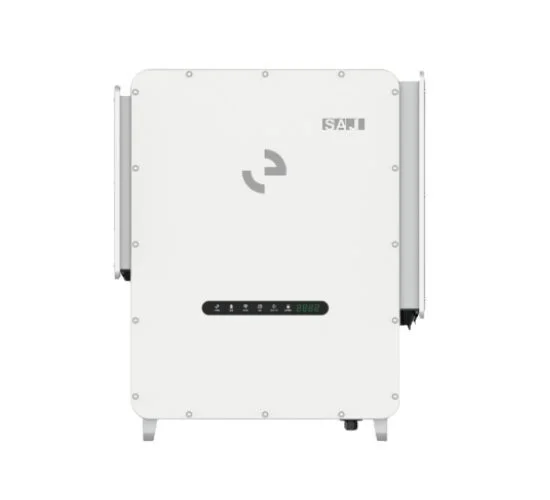
As commercial and industrial solar installations continue to scale up, the demand for larger, more capable inverter systems has grown alongside it. Among the various options available for medium-to-large solar setups, the 50kW hybrid inverter has become a popular choice for businesses, farms, and larger residential complexes looking to combine solar generation with battery storage in a single, efficient system. Understanding what makes this class of inverter suitable for larger installations can help buyers make a more informed decision when planning a solar project.
What Makes an Inverter “Hybrid”
A hybrid inverter combines the functions of a standard solar inverter and a battery inverter into one unit. Rather than requiring separate equipment to manage solar generation and battery charging, a hybrid inverter handles both tasks simultaneously. It converts the DC electricity generated by solar panels into usable AC power, while also managing the charging and discharging of connected battery storage. This integration simplifies system design, reduces the amount of equipment needed, and often improves overall efficiency compared to running separate inverters for solar and storage.
Why 50kW Is a Common Sweet Spot
The 50kW capacity range sits at an important point for many mid-sized commercial and agricultural applications. It’s large enough to handle the electricity demands of medium-sized businesses, warehouses, farms, or multi-unit residential buildings, while still being manageable in terms of installation space, wiring requirements, and overall system cost compared to larger industrial-scale inverters. For many operations that have outgrown residential-sized systems but don’t yet require the scale of a full industrial installation, a 50kW hybrid inverter often represents the most practical capacity available.
Key Benefits of a 50kW Hybrid System
Energy Independence and Cost Savings
One of the primary reasons businesses invest in hybrid inverter systems at this scale is the potential for significant reductions in electricity costs. By generating solar power during the day and storing excess energy in batteries for use during peak demand periods or after sunset, businesses can reduce their reliance on grid electricity, particularly during times when utility rates are highest.
Backup Power During Outages
A well-configured 50kW hybrid system can provide backup power during grid outages, an especially valuable feature for businesses that can’t afford downtime, such as those relying on refrigeration, manufacturing equipment, or continuous operations. Unlike grid-tied-only systems, which typically shut down during a power outage for safety reasons, hybrid systems with battery storage can continue supplying power to critical loads.
Flexible Load Management
Hybrid inverters at this capacity often include smart load management features, allowing businesses to prioritise which circuits or equipment receive power during periods of limited battery capacity. This flexibility ensures essential operations continue running even if the system needs to conserve stored energy during extended cloudy periods or prolonged outages.
Key Specifications to Consider
Battery Compatibility
Not all hybrid inverters work seamlessly with every battery brand or chemistry. Before selecting a 50kW hybrid inverter, it’s important to confirm compatibility with the specific battery system planned for the installation, whether that’s lithium iron phosphate (LiFePO4), lithium-ion, or another battery type. Mismatched compatibility can limit performance or void warranties.
Efficiency Ratings
Conversion efficiency directly affects how much of the generated solar energy actually becomes usable electricity. Even small differences in efficiency percentages can translate into a meaningful amount of energy lost over the lifespan of a system operating at this scale, so comparing efficiency specifications across different models is a worthwhile step.
Grid-Tied vs Off-Grid Capability
Some 50kW hybrid inverter are designed primarily for grid-tied use with battery backup, while others offer full off-grid capability. Businesses in areas with unreliable grid infrastructure, or those planning fully independent operations, should confirm that the chosen inverter supports the specific mode of operation required.
Monitoring and Control Features
Modern hybrid inverters typically include monitoring software that allows operators to track energy production, consumption, and battery status in real time. For commercial applications, this data can be invaluable for optimising energy usage patterns and identifying opportunities for further efficiency improvements.
Installation Considerations
Installing a 50kW hybrid inverter system requires careful planning around electrical infrastructure, available space, and ventilation requirements, as inverters at this capacity generate more heat and require adequate airflow to operate safely and efficiently. Working with an experienced solar installer familiar with commercial-scale hybrid systems is essential, as improper installation can affect both performance and safety.
It’s also worth considering future scalability during the planning phase. Businesses anticipating growth may want to choose a system that allows for additional battery capacity or panel expansion down the line, rather than one that would require a complete system replacement to accommodate increased energy needs.
Maintenance and Longevity
While hybrid inverters generally require less maintenance than older inverter technologies, periodic checks are still important to ensure long-term reliability. This includes monitoring for firmware updates, checking cooling systems for dust buildup, and verifying that battery management systems are functioning correctly. Manufacturers offering strong after-sales support and readily available technical assistance can make a significant difference in minimising downtime if issues do arise.
Cost Considerations
The upfront cost of a 50kW hybrid inverter system is naturally higher than smaller residential setups, reflecting the increased capacity and more sophisticated components involved. However, when evaluating cost, it’s important to consider the full picture: potential energy savings, backup power value, warranty coverage, and expected system lifespan all factor into the overall return on investment. A slightly higher upfront cost for a more efficient, better-supported system often proves more economical over the operational life of the installation.
Conclusion
A 50kW hybrid inverter represents a practical, capable solution for businesses and larger properties looking to combine solar generation with battery storage at a meaningful scale. By understanding key factors such as battery compatibility, efficiency ratings, grid capability, and installation requirements, buyers can select a system that not only meets current energy needs but also supports future growth. As solar and storage technology continues to advance, hybrid inverters in this capacity range are likely to remain a central component of mid-sized renewable energy strategies.