Powder Pouch Packing Machines: A Buyer’s Guide
Powdered products, whether food ingredients, pharmaceuticals, cosmetics, or industrial chemicals, present unique packaging challenges compared to solid or liquid goods. Fine particles are prone to dust generation, clumping, and inconsistent flow, making accurate measurement and clean sealing more difficult without the right equipment. Powder pouch packing machines have been specifically engineered to address these challenges, automating the process of measuring, filling, and sealing powdered products into pouches with speed and consistency. For businesses producing powdered goods at scale, understanding how these machines work and what factors matter most in selecting the right one can significantly impact production efficiency and product quality.
What Is a Powder Pouch Packing Machine
A powder pouch packing machine automates the entire process of forming pouches from roll film, filling them with a precise quantity of powdered product, and sealing them closed, all within a continuous, automated cycle. These machines typically use a combination of specialised dosing systems designed specifically for powder handling, along with film forming and heat sealing components common across various pouch packing equipment.
Because powders behave differently from granules, liquids, or solid items, particularly in terms of flow characteristics and susceptibility to dust generation, powder-specific packing machines incorporate design features tailored to handle these unique material properties effectively.
Key Components of a Powder Pouch Packing Machine
Dosing and Filling Systems
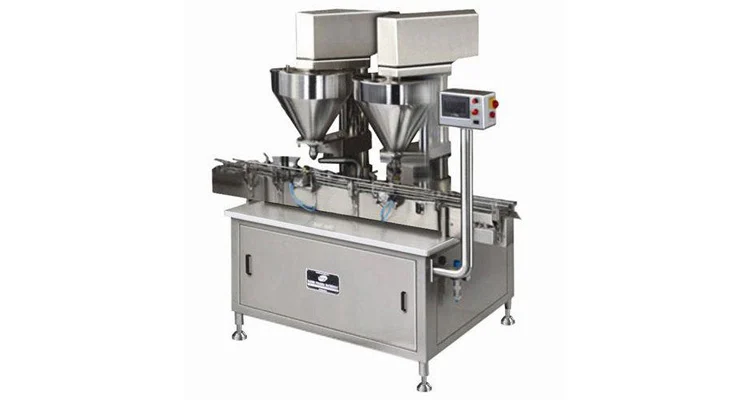
Accurate dosing is critical for powder packaging, both for regulatory compliance regarding product quantity and for maintaining consistent product cost control. Common dosing methods include auger fillers, which use a rotating screw mechanism to measure powder by volume, and weigh fillers, which measure product by weight for greater precision, particularly important for high-value or regulated products.
Film Forming Mechanism
The machine forms pouches from a continuous roll of packaging film, typically using vertical or horizontal form-fill-seal (FFS) technology. Vertical form-fill-seal machines are particularly common for powder packaging, as gravity assists in moving the product into the forming pouch.
Sealing System
Heat sealing bars create secure, airtight seals along the pouch edges, critical for preventing moisture ingress, maintaining product freshness, and avoiding leakage of the packaged powder during transport and storage.
Dust Control Features
Given the tendency of powders to generate dust during the filling process, quality powder packing machines often incorporate dust containment features, such as enclosed filling chambers or vacuum extraction systems, to maintain a clean production environment and minimise product waste.
Types of Powder Pouch Packaging Formats
Stick Packs
Stick packs are narrow, single-serving pouches commonly used for products like powdered supplements, drink mixes, or single-dose pharmaceutical powders, offering convenient portion control for consumers.
Sachets
Sachets are typically small, flat pouches used for single-use portions of products such as seasoning powders, instant coffee, or cosmetic sample products.
Stand-Up Pouches
For larger quantities, stand-up pouches with resealable zippers offer consumers a convenient, reusable packaging format, commonly used for products like protein powders, baking ingredients, or pet food additives.
Benefits of Automated Powder Pouch Packing
Precision and Consistency
Automated dosing systems provide far greater accuracy and consistency compared to manual measuring and filling, reducing product giveaway (overfilling) and ensuring compliance with labelled product quantities.
Increased Production Speed
Automated powder packing machines can process significantly higher volumes than manual packaging methods, allowing businesses to scale production efficiently as demand grows.
Reduced Product Waste
Precise dosing and effective dust control systems help minimise product waste during the packaging process, contributing to improved overall production efficiency and cost control.
Improved Hygiene and Contamination Control
For food and pharmaceutical powder products, automated packing reduces manual handling, helping maintain hygiene standards and reducing the risk of contamination compared to manual packaging processes.
What to Consider When Choosing a Powder Pouch Packing Machine
Powder Characteristics
Different powders have different flow properties, from fine, cohesive powders prone to clumping to free-flowing granular powders. Understanding the specific characteristics of your product helps determine which dosing system, auger, weigh filling, or another method, will provide the most accurate and reliable results.
Required Production Speed
Determining necessary output, typically measured in pouches per minute, is essential for selecting a machine capable of meeting production targets without creating a bottleneck in the overall packaging process.
Pouch Format and Size Range
Businesses producing multiple product sizes or pouch formats should look for machines offering flexibility and reasonably quick changeover capabilities between different configurations.
Accuracy Requirements
For regulated products, such as pharmaceuticals or precisely dosed supplements, selecting a machine with high dosing accuracy, potentially incorporating weigh filling technology, may be necessary to meet compliance requirements.
Film Compatibility
Confirming that the machine is compatible with the specific packaging film material and thickness intended for use is important for both machine performance and final package quality.
Common Industries Using Powder Pouch Packing Machines
Food and Beverage
Powdered food products such as spices, instant beverage mixes, baking ingredients, and protein powders commonly rely on automated pouch packing for efficient, consistent packaging.
Pharmaceuticals
Powdered medications, supplements, and nutraceutical products often require precise dosing and tamper-evident packaging, making automated powder packing machines particularly valuable in this sector.
Cosmetics
Powdered cosmetic products, including certain skincare and makeup items, benefit from clean, consistent packaging that automated systems can provide at scale.
Industrial and Agricultural Products
Certain industrial chemicals and agricultural products, such as fertilisers or additives, are packaged in powder form using similar automated pouch packing technology adapted for larger-scale industrial use.
Maintenance and Long-Term Reliability
Regular maintenance is important for ensuring consistent dosing accuracy and reliable sealing performance over time. This includes routine cleaning of dosing and filling components (particularly important given the tendency of powders to accumulate in machinery), calibration checks, and inspection of sealing elements to prevent leaks or inconsistent seals.
Cost Considerations
The cost of powder pouch packing machines varies based on production speed, dosing accuracy requirements, and level of automation. While higher-precision, fully automated systems represent a greater upfront investment, businesses should evaluate overall return on investment by considering factors such as reduced product waste, labour savings, and improved packaging consistency over the equipment’s operational lifespan.
Conclusion
Powder pouch packing machine offer businesses a reliable, efficient solution for packaging powdered products with the precision and consistency that manual methods simply can’t match. By carefully considering factors such as powder characteristics, required production speed, and dosing accuracy needs, businesses can select equipment well-suited to their specific product and production requirements. As demand for powdered products across food, pharmaceutical, and cosmetic industries continues to grow, automated powder packing technology is likely to remain an essential investment for manufacturers seeking efficient, high-quality packaging solutions.