Individual Cellophane Overwrapping Machines: A Guide
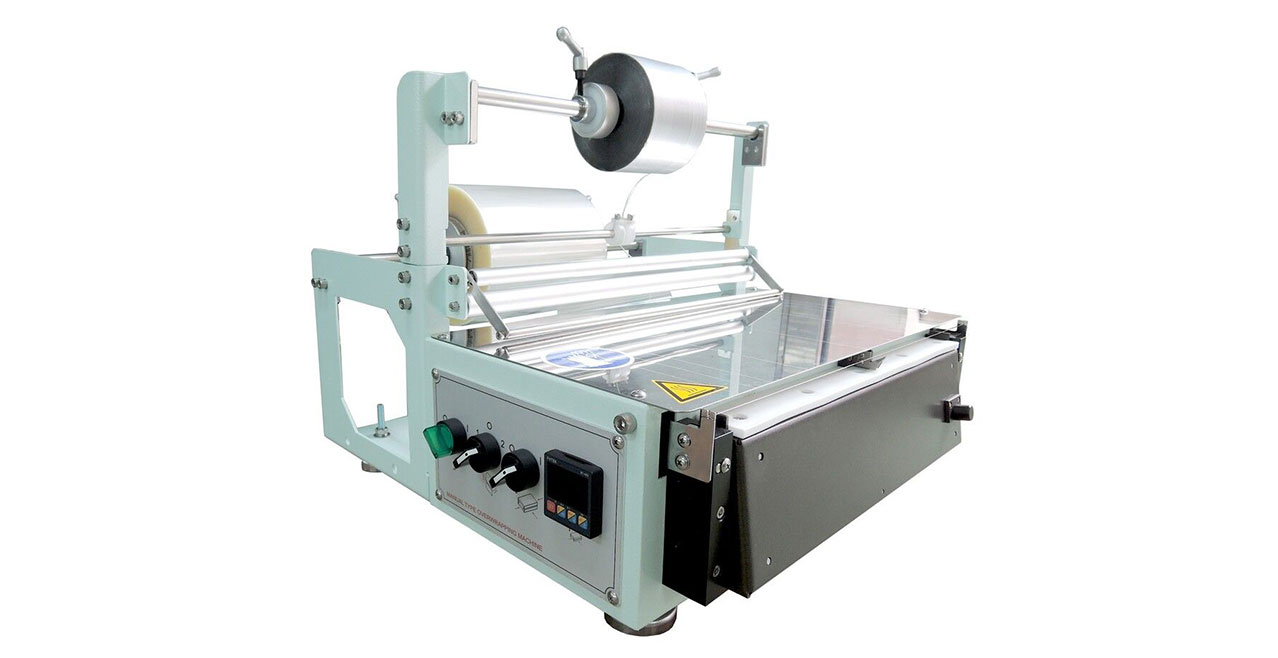
Product presentation and protection go hand in hand, particularly for items sold individually on retail shelves. Individual cellophane overwrapping machines have become a standard piece of packaging equipment across industries such as food, cosmetics, tobacco, stationery, and pharmaceuticals, providing a clean, tamper-evident, and visually appealing wrap around single products. For businesses looking to improve product presentation while maintaining efficient production speeds, understanding how these machines work and what factors matter most in selecting the right one is essential.
What Is an Individual Cellophane Overwrapping Machine
An individual cellophane overwrapping machine automates the process of wrapping single products in a thin, transparent cellophane or polypropylene film, creating a secure, tightly sealed package around each item. The process typically involves folding the film around the product, sealing the edges (often using heat), and trimming any excess material, resulting in a clean, professional-looking finished package.
This type of packaging is particularly common for items such as boxed goods, soap bars, greeting cards, chocolate bars, and cigarette packs, where a clear, protective outer layer enhances shelf appeal while also protecting the product from dust, moisture, and tampering.
Why Businesses Choose Cellophane Overwrapping
Enhanced Product Presentation
Cellophane wrapping gives products a polished, retail-ready appearance, with the transparent film allowing packaging graphics and branding underneath to remain fully visible to consumers. This clean presentation can enhance perceived product value and shelf appeal compared to unwrapped alternatives.
Tamper-Evidence and Product Protection
A properly sealed cellophane wrap provides a visible indicator if a package has been opened or tampered with, an important consideration for consumer trust, particularly in food and pharmaceutical applications where tamper-evidence may also be a regulatory requirement.
Protection From Environmental Factors
The film layer helps protect products from dust, moisture, and minor handling damage during storage, transport, and retail display, helping maintain product quality and shelf life.
Improved Hygiene
For food products in particular, cellophane overwrapping adds a layer of protection against contamination from handling, which can be especially important for products displayed in open retail environments before purchase.
Types of Overwrapping Machines
Fold Wrap Machines
Fold wrap machines fold the film around the product from multiple sides, creating overlapping seams that are then sealed, typically using heat sealing bars. This method is common for rectangular or box-shaped products.
Flow Wrap Machines
Flow wrap machines, sometimes used alongside or as an alternative to traditional overwrapping equipment, continuously feed film around products in a flowing motion, sealing along the length and ends of the package. This method is often chosen for higher-speed production requirements.
Fin Seal vs Lap Seal
Overwrapping machines may use either fin seal (where film edges are sealed together, standing away from the product) or lap seal (where film edges overlap and lie flat against the package) sealing methods, with the choice depending on desired appearance, product type, and machine specifications.
Key Features to Consider When Choosing a Machine
Production Speed
Understanding required output, typically measured in packs per minute, is essential for selecting a machine capable of meeting production targets without becoming a bottleneck within the broader packaging line.
Film Compatibility
Different machines are designed to work with specific film types and thicknesses, whether cellophane, polypropylene, or other packaging films. Confirming compatibility with the desired film material is important both for machine performance and final package appearance.
Product Size Flexibility
Businesses handling multiple product sizes should look for machines offering adjustable settings or quick changeover capabilities, allowing the equipment to accommodate different product dimensions without extensive downtime between production runs.
Sealing Quality and Consistency
Reliable, consistent sealing is critical for both product protection and visual appeal. Machines with well-engineered heat sealing systems and precise temperature control tend to produce more consistent results across high-volume production runs.
Integration With Existing Packaging Lines
For businesses incorporating overwrapping into a broader packaging process, compatibility with upstream and downstream equipment, such as product feeding systems or cartoning machines, is important for maintaining smooth, efficient production flow.
Common Industries Using Overwrapping Machines
Food and Confectionery
Chocolate bars, biscuits, and other individually sold food items commonly use cellophane overwrapping for both presentation and protection, particularly for products displayed in open retail settings such as checkout counters.
Tobacco Products
Cigarette packs are a classic example of cellophane overwrapping, where the tamper-evident seal and moisture protection are particularly important for maintaining product freshness and consumer confidence.
Cosmetics and Personal Care
Individually packaged soap bars, cosmetic boxes, and similar personal care items often use overwrapping to enhance shelf presentation while protecting products from handling damage before purchase.
Stationery and Print Products
Greeting cards, notepads, and similar paper-based products frequently use cellophane wrapping to protect against dust and handling damage while keeping the product visible to shoppers.
Pharmaceuticals
Certain pharmaceutical packaging applications use overwrapping for tamper-evidence and additional protection, particularly for products requiring an extra layer of security beyond primary packaging.
Maintenance and Long-Term Reliability
Like most packaging equipment, individual cellophane overwrapping machines require regular maintenance to ensure consistent seal quality and reliable operation. This includes routine cleaning of sealing components, calibration of heat sealing temperatures, and periodic inspection of film feeding mechanisms to prevent jams or misalignment during production.
Manufacturers offering strong technical support and readily available spare parts can significantly reduce downtime if maintenance issues arise, helping maintain consistent production output over the equipment’s operational life.
Cost Considerations
The cost of individual cellophane overwrapping machines varies based on production speed, level of automation, and specific customisation requirements for different product types. While higher-speed, fully automated machines represent a larger upfront investment, businesses should weigh this against potential labour savings, improved production consistency, and enhanced product presentation when evaluating overall return on investment.
Conclusion
Individual cellophane overwrapping machine provide businesses with an efficient, reliable way to enhance product presentation while adding valuable protection against tampering, moisture, and handling damage. By carefully considering factors such as production speed requirements, film compatibility, and integration with existing packaging lines, businesses can select equipment well-suited to their specific product and production needs. As consumer expectations around product presentation and packaging integrity continue to evolve, individual overwrapping technology is likely to remain an important tool for manufacturers across a wide range of industries.