Packing Lines: A Complete Guide
As consumer demand and production volumes grow, manufacturers across nearly every industry face the same challenge: how to package products quickly, consistently, and cost-effectively without sacrificing quality. This is where packing lines come in. A well-designed packing line brings together multiple pieces of equipment into a coordinated system, transforming what would otherwise be a slow, labour-intensive process into an efficient, largely automated operation. For businesses considering an investment in packing line equipment, understanding how these systems are structured and what factors matter most can help ensure the right choice is made for long-term production success.
What Is a Packing Line
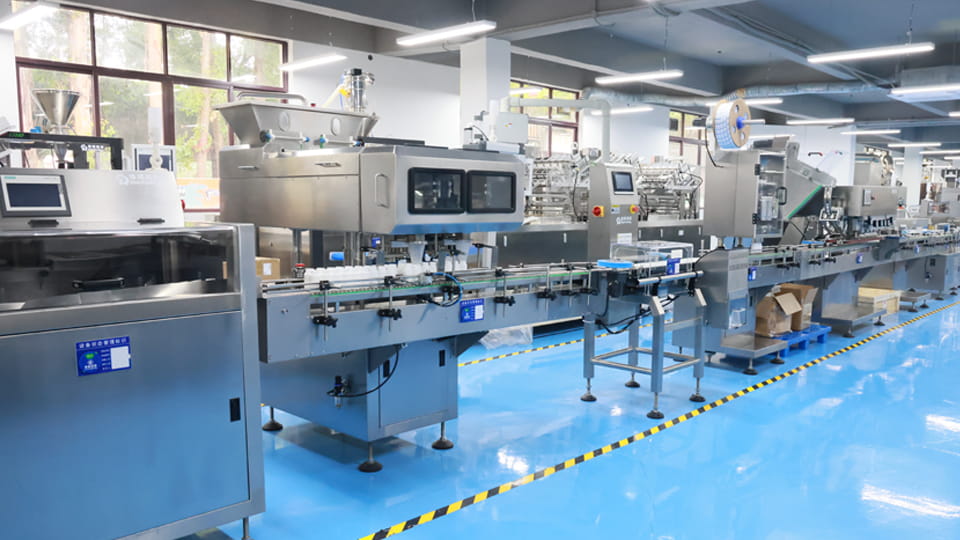
A packing line refers to a sequence of interconnected machines and processes designed to prepare finished products for shipment or retail display. Depending on the industry and product type, a packing line might include equipment for filling, weighing, labelling, sealing, cartoning, palletising, and final quality inspection, all working together in a continuous, synchronised workflow.
Rather than relying on a single machine to handle every packaging task, a packing line distributes these functions across specialised equipment, each optimised for its specific role, while conveyor systems and automation software coordinate the movement of products between stages.
Core Components of a Typical Packing Line
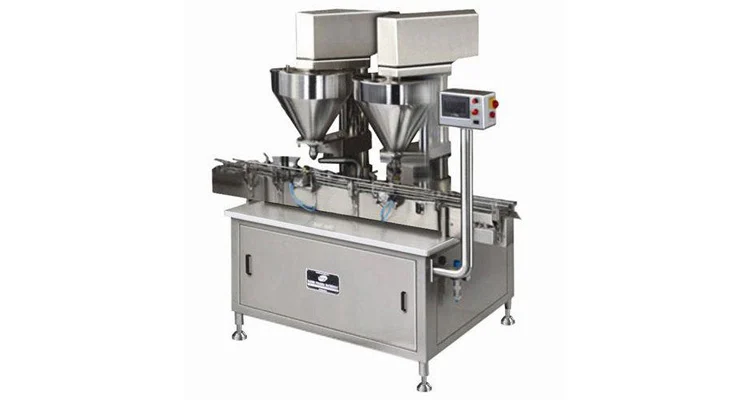
Filling and Dosing Equipment
For products requiring precise measurement, such as liquids, powders, or granular materials, filling and dosing machines ensure consistent quantities are packaged in each unit, reducing waste and maintaining compliance with labelling regulations regarding product quantity.
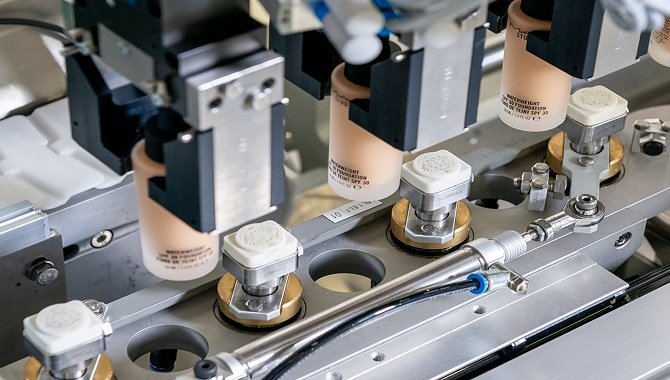
Labelling Systems
Automated labelling equipment applies product information, barcodes, and branding consistently across every unit, an essential function for both regulatory compliance and inventory management further down the supply chain.
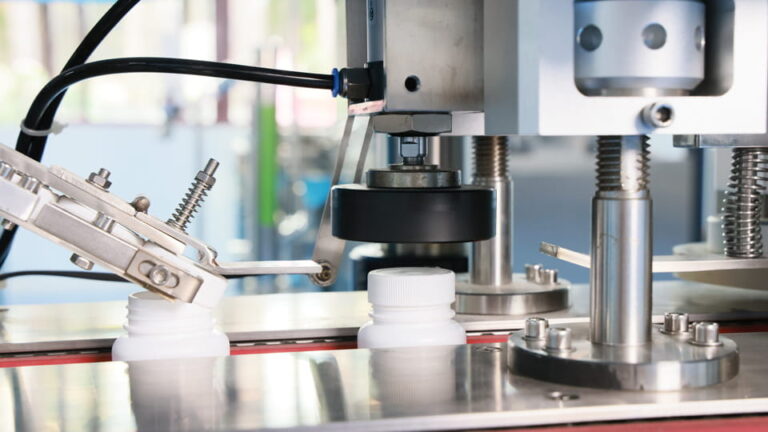
Sealing and Closing Machines
Depending on the packaging format, whether bags, boxes, or bottles, sealing equipment ensures products are securely closed, protecting contents during transport and maintaining shelf life where relevant, particularly for food and pharmaceutical products.
Cartoning and Case Packing Equipment
Many packing lines incorporate cartoning machines to place products into individual boxes, followed by case packing equipment that groups multiple units into larger shipping containers, streamlining the transition from individual product packaging to bulk shipping preparation.
Palletising Systems
At the end of many packing lines, palletising equipment stacks and arranges packaged products onto pallets for warehouse storage or shipment, a task that can be physically demanding and repetitive when done manually, making automation particularly valuable here.
Quality Inspection Systems
Vision inspection systems and checkweighers are often integrated into packing lines to catch defects, incorrect labelling, or underweight products before they leave the facility, helping maintain quality standards and reduce costly returns or recalls.
Benefits of Automated Packing Lines
Increased Throughput
Automated packing lines can process significantly higher volumes than manual packaging operations, allowing businesses to scale production to meet growing demand without a proportional increase in labour requirements.
Consistency and Reduced Errors
Automated systems perform repetitive tasks with precision, reducing the variability and errors that often occur with manual packaging processes, particularly important for maintaining brand consistency and regulatory compliance.
Labour Cost Reduction
While the upfront investment in a packing line can be substantial, the long-term reduction in labour costs associated with manual packaging often provides a meaningful return on investment, particularly for businesses operating at scale.
Improved Traceability
Modern packing lines often incorporate tracking and data collection systems, allowing manufacturers to maintain detailed records of production batches, an increasingly important requirement in industries such as pharmaceuticals and food production where traceability is often mandated by regulation.
Key Considerations When Designing or Investing in a Packing Line
Production Volume and Speed Requirements
Understanding current and projected production volumes is essential for selecting equipment capable of meeting output targets without becoming a bottleneck as demand grows.
Product Variability
Businesses producing multiple product types or package sizes should consider equipment offering flexibility and quick changeover capabilities, minimising downtime when switching between different production runs.
Space and Layout Constraints
Packing lines require adequate floor space, and the physical layout of a facility can significantly influence equipment selection and line configuration. Careful planning around available space helps ensure efficient workflow and movement of materials throughout the packaging process.
Integration and Automation Level
Different businesses require different levels of automation, from fully automated lines requiring minimal human intervention to semi-automated systems incorporating manual oversight at certain stages. Determining the appropriate balance depends on production volume, budget, and specific operational needs.
Compatibility With Existing Equipment
For businesses upgrading or expanding existing operations, ensuring new equipment integrates smoothly with current machinery and factory automation systems is essential for avoiding costly compatibility issues or workflow disruptions.
Common Industries Using Packing Lines
Food and Beverage
Food producers rely heavily on packing lines to maintain hygiene standards, accurate portioning, and consistent labelling across high-volume production runs.
Pharmaceuticals
Pharmaceutical packing lines often incorporate strict quality control measures, serialisation for track-and-trace compliance, and tamper-evident packaging features required by regulatory bodies.
Consumer Goods
A wide range of consumer products, from household items to electronics, rely on packing lines to efficiently prepare goods for retail distribution while maintaining consistent brand presentation.
E-commerce and Fulfilment
With the growth of online retail, packing lines designed for variable box sizes and individual order fulfilment have become increasingly important for businesses managing high volumes of direct-to-consumer shipments.
Maintenance and Long-Term Reliability
Packing lines involve multiple interconnected pieces of equipment, making regular maintenance essential to prevent bottlenecks caused by individual machine failures. Establishing a proactive maintenance schedule, along with reliable access to spare parts and technical support, helps minimise unplanned downtime and keeps production running smoothly.
Cost Considerations
The cost of a complete packing line varies significantly based on the complexity, automation level, and specific equipment involved. While the initial investment can be substantial, businesses should evaluate total return on investment by factoring in labour savings, increased throughput, and reduced error rates over the equipment’s operational lifespan, rather than focusing solely on upfront costs.
Conclusion
Packing lines play a critical role in helping manufacturers meet growing production demands efficiently and consistently. By carefully evaluating factors such as production volume, product variability, and integration requirements, businesses can design or invest in packing line systems well-suited to their specific operational needs. As industries continue to prioritise efficiency, traceability, and quality control, well-designed packing lines are likely to remain a foundational element of competitive manufacturing operations.