Lithium-Ion Solar Batteries Explained
As solar power continues to grow in popularity among homeowners and businesses alike, the conversation is shifting from simply generating solar energy to effectively storing it. After all, solar panels only produce electricity while the sun is shining, which means a reliable storage solution is essential for using that energy at night or during cloudy periods. Among the various battery technologies available today, lithium-ion has emerged as the clear frontrunner for solar energy storage systems. Here’s why.
Higher Energy Density Means More Storage in Less Space
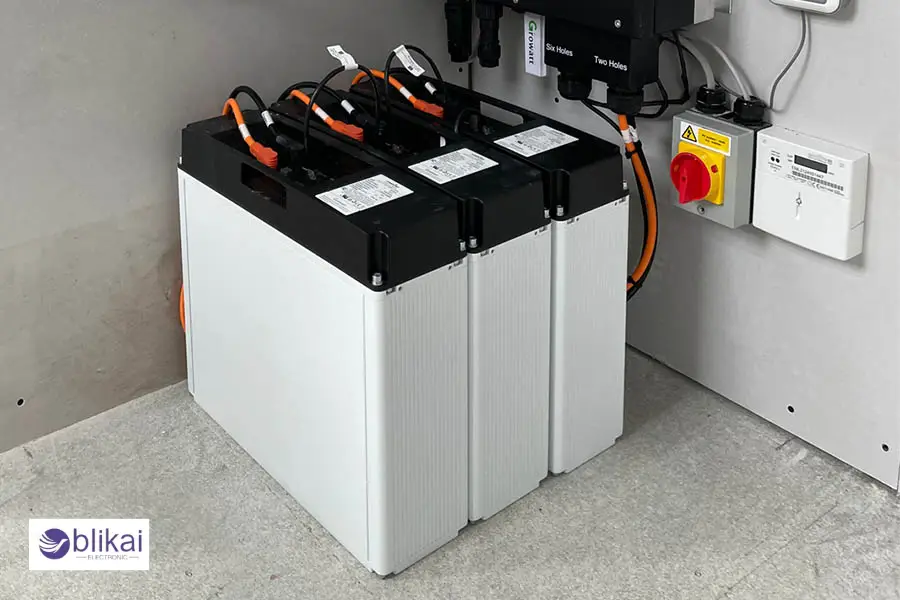
One of the standout advantages of lithium-ion batteries is their impressive energy density. Compared to older technologies like lead-acid batteries, lithium-ion cells can store significantly more energy within a smaller and lighter unit. For homeowners with limited space, such as those installing battery systems in garages, utility rooms, or alongside existing electrical equipment, this compact footprint makes lithium-ion a far more practical choice without compromising on storage capacity.
Longer Lifespan Reduces Long-Term Costs
While lithium-ion batteries typically come with a higher upfront cost than traditional alternatives, their extended lifespan often makes them more economical over time. A well-maintained lithium-ion battery can handle thousands of charge and discharge cycles before its performance noticeably declines, whereas lead-acid batteries generally wear out much sooner and require more frequent replacement. For solar systems designed to operate for a decade or more, this longevity translates into fewer replacement costs and less system downtime.
Faster Charging and Higher Efficiency
Solar energy systems benefit greatly from batteries that can charge quickly and lose minimal energy in the process. Lithium-ion batteries are known for their high charge and discharge efficiency, often exceeding 90%, meaning very little of the energy captured by solar panels is wasted during storage. This efficiency is particularly valuable during shorter daylight hours or less sunny conditions, where maximising every bit of captured energy makes a meaningful difference in overall system performance.
Better Depth of Discharge
Depth of discharge refers to how much of a battery’s total capacity can be used without shortening its lifespan. Lithium-ion batteries typically allow for a much deeper discharge, often around 80-90%, compared to lead-acid batteries which are usually limited to around 50% to preserve longevity. In practical terms, this means a lithium-ion battery can deliver more of its rated capacity for actual use, making the most of the storage space you’ve invested in.
Minimal Maintenance Requirements
Unlike some older battery technologies that require regular maintenance, such as checking fluid levels or ensuring proper ventilation, lithium-ion batteries are largely maintenance-free. This is particularly appealing for solar installations in remote locations or for homeowners who prefer a hands-off approach once the system is installed. The reduced maintenance burden also contributes to lower long-term ownership costs.
Better Performance in Varying Temperatures
Solar batteries are often installed in environments where temperature can fluctuate throughout the year. Lithium-ion batteries generally perform more consistently across a range of temperatures compared to lead-acid alternatives, which can suffer significant performance drops in colder conditions. While extreme heat or cold can still affect any battery type, lithium-ion technology tends to offer more stable and predictable performance overall.
A Safer, More Advanced Choice
Modern lithium-ion batteries used in solar storage systems typically include built-in battery management systems (BMS) that monitor temperature, voltage, and charge levels to prevent issues such as overheating or overcharging. This added layer of safety, combined with the stable chemistry of lithium iron phosphate (LiFePO4) variants commonly used in solar applications, has made lithium-ion a trusted and increasingly standard choice for residential and commercial solar storage alike.
Conclusion
As solar energy adoption continues to rise, the role of efficient, long-lasting battery storage becomes increasingly important. Lithium ion Solor battery offer a compelling combination of high energy density, long lifespan, fast charging, and minimal maintenance, making them a natural fit for solar storage systems designed to maximise the value of captured solar energy. For anyone considering a solar setup, understanding why lithium-ion has become the go-to storage solution is a useful step toward building a system that performs reliably for years to come.