The Battery Killer That Nobody Warns You About
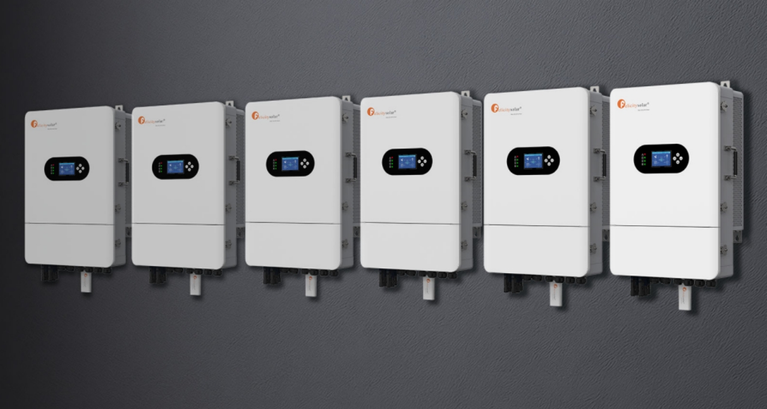
You buy an off-grid solar inverter. You connect your batteries. The system works. Then one day, your batteries are dead. They will not charge. They are ruined. The problem is deep discharge. Your inverter kept running until the batteries were completely empty. Lead-acid batteries cannot recover from this. Lithium batteries can, but repeated deep discharge shortens their life. A good off-grid solar inverter has a programmable low voltage cutoff. It shuts down before your batteries are damaged. Ask your supplier about cutoff settings. If their inverter has no adjustable cutoff, your batteries will die early. Not maybe. Certainly. Specify programmable low voltage cutoff. Your off-grid solar inverter will protect your battery investment.
The Float Voltage That Cooks Your Batteries
Your off-grid solar inverter charges your batteries. It reaches full charge. It keeps charging. The batteries overheat. They lose water. They swell. They fail. The problem is improper float voltage. A good inverter switches to float mode when batteries are full. It maintains a safe voltage. It does not overcharge. Ask your supplier about charge profiles. If their inverter only has one charge setting, your batteries will be overcharged. Not a little. Enough to kill them. Specify multiple charge stages. Your off-grid solar inverter will charge correctly.
The Temperature Sensor That Prevents Overcharging
Your batteries are in a hot shed. The temperature rises. Your off-grid solar inverter keeps charging at the same voltage. Hot batteries need lower voltage. They are overcharged. They fail. The problem is lack of temperature compensation. A good inverter has a remote temperature sensor. It attaches to your batteries. It adjusts charge voltage based on temperature. Ask your supplier about temperature sensing. If their inverter has no sensor, your batteries will be overcharged in summer and undercharged in winter. Not a little. Significantly. Specify temperature-compensated charging. Your off-grid solar inverter will charge correctly in any weather.
The Inverter Idle Draw That Drains Your Batteries Overnight
Your off-grid solar inverter sits idle. No loads are running. It still draws power. 20 watts. 30 watts. 50 watts. Over a night, that is hundreds of watt-hours. Your batteries drain. The problem is idle consumption. A good inverter has a power saving mode. It draws very little power when no loads are detected. Some inverters draw less than 5 watts in idle. Ask your supplier about idle consumption. If their inverter draws more than 10 watts, your batteries will drain. Not a little. Every night. Specify low idle draw. Your off-grid solar inverter will not waste your stored energy.
The Surge Rating That Is Not Enough For Your Well Pump
Your off-grid solar inverter is rated for 3000 watts continuous. Your well pump needs 2000 watts to run. It needs 6000 watts to start. The inverter trips. Your pump does not start. The problem is surge rating. Motors need much more power to start than to run. A good off-grid solar inverter has a high surge rating. 2x continuous. 3x continuous for a few seconds. Ask your supplier about surge capacity. If their inverter cannot handle motor starts, your pump will not run. Not sometimes. Every time it tries to start. Specify high surge rating. Your off-grid solar inverter will start your motors.
The One Test That Confirms Your Inverter Won’t Kill Your Batteries
Connect your off-grid solar inverter to a new set of batteries. Charge them fully. Monitor the charge voltage. Does the inverter switch to float mode at the correct voltage? Now discharge the batteries. Watch the low voltage cutoff. Does the inverter shut down before your batteries reach damaging voltage? Now change the temperature. Heat the battery area. Does the charge voltage adjust? Now measure idle draw at night. How many watts is your inverter consuming? A good off-grid solar inverter passes this test. It protects your batteries. It does not overcharge. It does not over-discharge. It compensates for temperature. It draws little power at idle. A bad inverter fails. Your batteries will die early. Not maybe. Certainly. This test takes one day. It reveals every battery-killing flaw. An off-grid solar inverter is the heart of your off-grid system. Your batteries are the storage. If the inverter mismanages the batteries, your system fails. Not quickly. Over time. Your batteries will lose capacity. They will need replacement. That replacement costs more than a good inverter. Choose an inverter that protects your batteries. Not one that slowly kills them. Your off-grid solar inverter should be a battery partner, not a battery killer. Specify programmable cutoffs, multi-stage charging, temperature compensation, low idle draw, and adequate surge rating. Your batteries will last for years. Your system will be reliable. That is the goal. Achieve it.