4G Proxy: The Ultimate Guide to Mobile Proxies
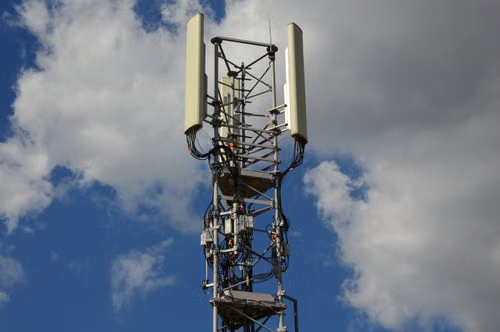
A 4G Proxy is a proxy server that uses a real 4G mobile network to connect to the internet. Instead of using a normal data center IP address, it provides a real mobile IP from a cellular carrier. This makes online activities look more natural and helps users access websites with fewer restrictions.
Many businesses, researchers, and developers use a 4G Proxy for web scraping, data collection, market research, ad verification, and account management. Modern 4G proxy platforms also include advanced AI tools, smart data analysis, and flexible data access options. These features make collecting and managing large amounts of online data much easier.
What Is a 4G Proxy?
A 4G Proxy is a gateway between a user and the internet. When a request is sent through the proxy, the website sees the mobile IP address instead of the user’s original IP.
Because the IP comes from a real mobile network, websites often trust it more than traditional data center IPs. This helps users collect information, browse websites, and complete online tasks with better reliability.
How Does a 4G Proxy Work?
A 4G proxy uses a mobile SIM card connected to a 4G network. Every internet request passes through this mobile connection before reaching the target website.
The process is simple:
- The user sends a request.
- The request passes through the 4G proxy server.
- The website receives the request from a real mobile IP.
- The response returns through the proxy to the user.
This process hides the original IP address while providing a real mobile identity.
Main Benefits of Using a 4G Proxy
Here are some benefits of using a 4g proxy for beginners students.
- Better Privacy: A 4G Proxy hides the user’s real IP address. This helps improve privacy during online activities and reduces the chance of exposing personal network information.
- Real Mobile IP Addresses: Websites often recognize mobile IP addresses as normal user traffic. This can improve success rates when collecting public data.
- Fewer Restrictions: Some websites limit access based on IP type. A mobile proxy helps reduce these restrictions because it uses real carrier networks.
- Stable Performance: Modern 4G proxy services provide reliable connections for continuous browsing, data collection, and business operations.
Common Uses of a 4G Proxy
A 4G Proxy supports many professional tasks across different industries.
Common uses include:
- Web scraping
- Market research
- Price monitoring
- Search engine monitoring
- Ad verification
- Brand protection
- Data analysis
- Competitive research
- Social media management
- Business intelligence
These tasks become more reliable when real mobile IP addresses are used.
Choosing the Right 4G Proxy
When selecting a 4G Proxy, several features should be considered.
Look for a provider that offers:
- Real mobile IP addresses.
- Stable and fast connections.
- AI-powered data analysis.
- Easy access through APIs and SDKs.
- Secure data storage.
- Large-scale data management.
- Strong web coverage.
- Flexible search refinement.
- Reliable customer support.
A platform with these features can support both small projects and large business operations.
Conclusion
So, in this article, we covered 4G Proxy in detail. These proxies route internet traffic through mobile networks and provide real mobile IP addresses. They can be useful for web research, testing, automation, and other tasks that need stable and trusted connections.
Personally, I recommend testing a 4G Proxy before using it for important projects. This helps confirm that the connection offers the speed, reliability, and location needed for the task.
A proxy is only useful when it matches the user’s actual needs, so choosing quality over the cheapest option is usually a better approach. **If you found this information useful, share the post with others who may benefit from learning about 4G Proxy.**