Graphite Melting Crucible: A Buyer’s Guide
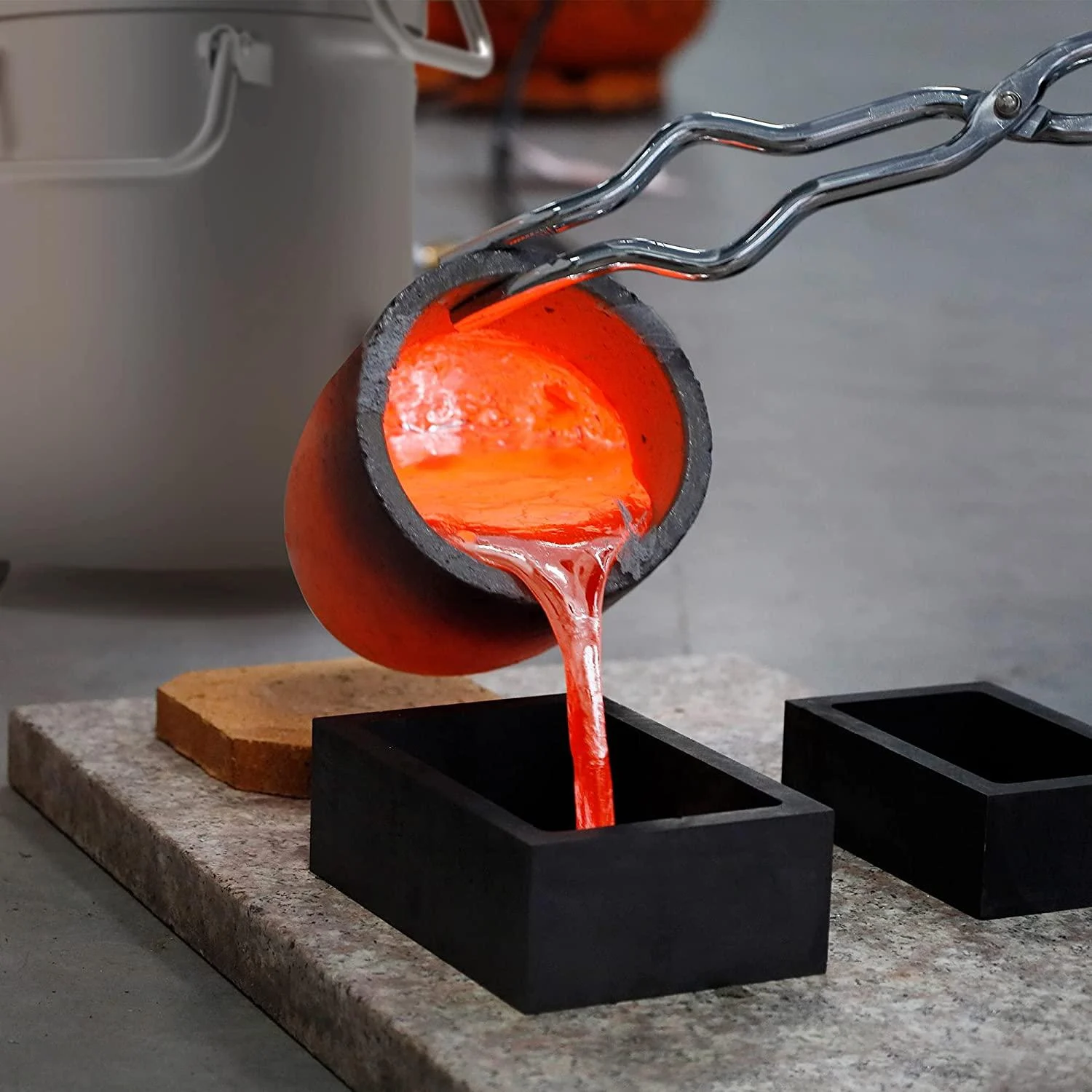
Melting metals for casting, foundry work, or metalworking applications requires equipment capable of withstanding extreme heat while maintaining structural integrity over repeated use. Among the various crucible materials available, graphite has long been a preferred choice for professionals and hobbyists alike, thanks to its excellent thermal properties and durability. Whether you’re melting gold, silver, aluminium, brass, or other metals, understanding what makes graphite crucibles effective, and how to choose the right one, can significantly impact both the quality of your results and the lifespan of your equipment.
Why Graphite Is Used for Melting Crucibles
Graphite is a form of carbon known for its exceptional resistance to high temperatures, making it well-suited for the intense heat involved in metal melting processes. Unlike some other crucible materials that can crack or degrade quickly under thermal stress, graphite maintains its structural integrity across repeated heating and cooling cycles, provided it’s used and maintained correctly.
Beyond heat resistance, graphite also offers good thermal conductivity, allowing heat to distribute evenly throughout the crucible. This even heating helps metals melt more uniformly, reducing the risk of hot spots that can lead to uneven melting or unwanted reactions within the metal itself.
Key Benefits of Graphite Crucibles
Excellent Thermal Shock Resistance
One of the most valuable properties of graphite crucibles is their resistance to thermal shock, meaning they can handle rapid temperature changes without cracking. This is particularly important in foundry settings where crucibles may be repeatedly heated to high temperatures and then cooled between uses.
Durability and Longevity
When properly cared for, graphite crucibles can withstand many melting cycles before needing replacement. Their durability makes them a cost-effective choice over time, particularly for businesses or individuals who melt metals regularly, as the cost per use decreases significantly with extended crucible lifespan.
Compatibility With a Wide Range of Metals
Graphite crucibles are compatible with a broad range of metals, including gold, silver, copper, brass, aluminium, and various alloys. This versatility makes them a practical choice for jewellers, foundries, and metalworking hobbyists who may work with different materials depending on the project at hand.
Lightweight Compared to Alternatives
Compared to some ceramic or clay-graphite alternatives, pure graphite crucibles tend to be relatively lightweight for their size, making them easier to handle, particularly when pouring molten metal, a process that requires careful control and stability.
Types of Graphite Crucibles
Clay-Graphite Crucibles
These crucibles combine graphite with clay and other materials to improve durability and resistance to oxidation. They’re commonly used in foundry settings for melting a variety of metals and are known for offering a good balance between cost and performance.
Silicon Carbide Graphite Crucibles
This type incorporates silicon carbide alongside graphite, resulting in improved thermal shock resistance and extended lifespan, particularly useful for high-frequency industrial use where crucibles are subjected to constant heating and cooling cycles.
High-Purity Graphite Crucibles
Used in more specialised applications, high-purity graphite crucibles are often chosen when contamination from other materials must be minimised, such as in certain precision casting or laboratory applications.
What to Consider When Choosing a Crucible
Size and Capacity
Selecting the right size crucible depends on the volume of metal you typically need to melt. Choosing a crucible that’s too small for your needs can require multiple melting cycles, while an oversized crucible may lead to unnecessary energy consumption and slower melting times for smaller batches.
Compatibility With Your Furnace
Crucibles need to be compatible with the specific furnace or melting equipment being used, whether that’s an induction furnace, gas-fired furnace, or electric furnace. Checking manufacturer specifications for compatible crucible types and sizes helps avoid performance issues or safety concerns.
Wall Thickness and Build Quality
Thicker crucible walls generally offer greater durability and resistance to damage, but they can also affect heating times and energy efficiency. Balancing wall thickness against your specific melting needs and equipment capabilities is an important part of the selection process.
Metal Type Being Melted
Different metals interact differently with graphite, and some may cause faster wear on the crucible over time. Understanding which metals you’ll primarily be working with can help determine which crucible type and grade will offer the best performance and longevity for your specific application.
Maintenance Tips for Extending Crucible Life
Proper care can significantly extend the lifespan of a graphite crucible. Preheating crucibles gradually before intense use helps prevent thermal shock from sudden temperature changes. Avoiding dropping metal directly into a cold crucible, cleaning residue after each use, and storing crucibles in a dry environment away from moisture can all help prevent premature cracking or degradation.
It’s also worth avoiding overheating beyond the crucible’s rated temperature limits, as this can accelerate wear and increase the risk of failure during use, potentially creating safety hazards in the process.
Safety Considerations
Working with molten metal inherently carries risks, and crucible failure can lead to serious safety incidents. Regularly inspecting crucibles for cracks, chips, or visible wear before each use is an essential safety practice. Any crucible showing signs of significant damage should be replaced promptly rather than risking failure during a melt.
Using appropriate protective equipment, ensuring proper ventilation, and following manufacturer guidelines for maximum temperature ratings and handling procedures further reduces the risk of accidents when working with melting equipment.
Conclusion
Graphite melting crucible remain a trusted choice across foundry, jewellery-making, and metalworking industries due to their durability, thermal shock resistance, and compatibility with a wide range of metals. By carefully considering factors such as size, furnace compatibility, and the specific metals being melted, buyers can select a crucible suited to their particular needs. With proper maintenance and careful handling, a quality graphite crucible can provide reliable service across many melting cycles, making it a worthwhile investment for both professional and hobbyist metalworking applications.