How to Choose a Solar Inverter Manufacturer
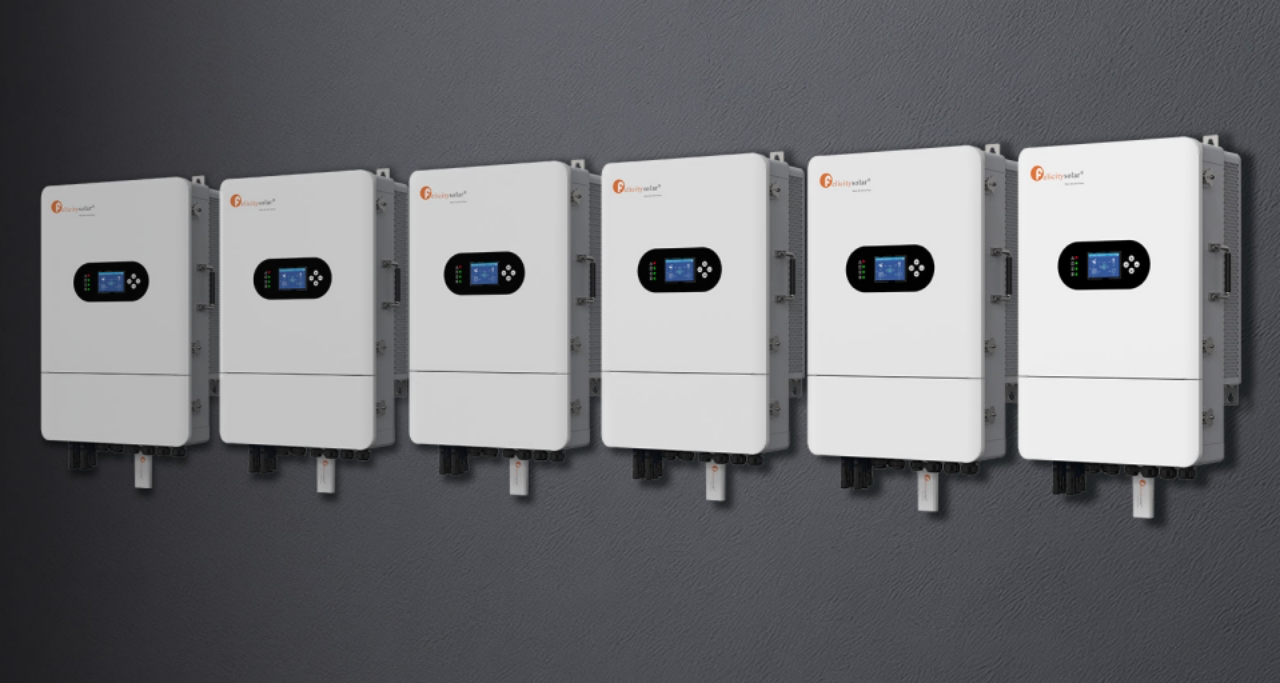
Solar power systems depend on more than just panels. At the heart of every solar setup sits the inverter — the component responsible for converting the direct current (DC) generated by solar panels into the alternating current (AC) used to power homes and businesses. Because the inverter plays such a central role in system performance, choosing the right manufacturer is just as important as choosing the panels themselves. With so many brands on the market, understanding what separates a reliable solar inverter manufacturer from an average one can save buyers significant money and frustration over the life of their system.
Why the Manufacturer Matters as Much as the Product
It’s easy to assume that all inverters within a similar price range perform roughly the same way, but this isn’t the case. The manufacturer behind an inverter influences everything from build quality and software reliability to how well the company supports its products after installation. A poorly supported inverter, even one with decent specifications on paper, can become a costly headache if it fails and the manufacturer is difficult to reach or slow to honour warranty claims. This is why evaluating the company itself, not just the product specifications, is a critical part of the buying process.
Track Record and Industry Reputation
One of the clearest indicators of a trustworthy solar inverter manufacturer is how long the company has been operating and how it’s regarded within the industry. Manufacturers with a long-standing presence typically have a proven track record of product reliability, established supply chains for spare parts, and experience handling a wide range of installation scenarios. Newer entrants to the market aren’t automatically unreliable, but buyers should research reviews, industry certifications, and independent testing results before committing, especially for a component expected to function reliably for a decade or more.
Product Range and Technology
Reliable manufacturers typically offer a range of inverter types suited to different system sizes and configurations, including string inverters, microinverters, and hybrid inverters designed to work with battery storage systems. A manufacturer with a broad, well-engineered product line signals ongoing investment in research and development, which usually translates into better efficiency, smarter monitoring software, and improved compatibility with other system components such as batteries and smart home technology.
Efficiency ratings are another important factor to examine. Even small differences in conversion efficiency can add up to a meaningful amount of lost energy over the lifetime of a solar system, so comparing efficiency figures across manufacturers is a worthwhile part of due diligence.
Warranty Terms and After-Sales Support
Warranty length and terms vary considerably between manufacturers, and this is often where the real difference in value becomes apparent. Some companies offer relatively short warranties with limited coverage, while others provide extended warranties covering both parts and labour for a decade or longer. A longer, more comprehensive warranty is generally a strong signal that the manufacturer has confidence in the durability of its products.
Beyond the warranty document itself, it’s worth investigating how easy the manufacturer is to deal with in practice. Are replacement parts readily available? Does the company have a responsive customer service team? Are local technicians trained and certified to service the equipment? These practical considerations often matter more in the long run than the warranty terms on paper.
Certifications and Compliance Standards
Reputable solar inverter manufacturers ensure their products meet relevant national and international safety and performance standards. Certifications indicate that a product has been independently tested for safety, electromagnetic compatibility, and grid compliance. For buyers, checking that a manufacturer’s products carry the appropriate certifications for their region isn’t just a formality — it directly affects whether the system will be eligible for local incentives, insurance coverage, and grid connection approval.
Compatibility With Other System Components
Modern solar installations often go beyond simply generating electricity, incorporating battery storage, smart monitoring apps, and integration with home energy management systems. A manufacturer whose inverters are known for strong compatibility with a variety of battery brands and monitoring platforms offers more flexibility, both now and if the system is expanded or upgraded in the future. Buyers locked into a narrow ecosystem may find themselves limited when it comes to future upgrades or troubleshooting compatibility issues.
Price Versus Long-Term Value
While upfront cost is naturally an important consideration, focusing solely on price can be a costly mistake. A cheaper inverter from a manufacturer with limited support, a shorter warranty, or a poor track record for reliability may end up costing more in the long run through repairs, replacements, or lost energy efficiency. Evaluating total value, factoring in warranty length, expected lifespan, efficiency, and support quality, generally provides a more accurate picture than comparing sticker prices alone.
Reading Between the Lines of Reviews
Customer reviews and installer feedback can offer valuable real-world insight that specification sheets simply can’t capture. Installers who work with multiple inverter brands regularly are often a particularly useful source of information, as they see firsthand how different manufacturers’ products perform in the field and how responsive companies are when issues arise. Seeking out this kind of practical, experience-based feedback can reveal patterns that aren’t obvious from marketing materials alone.
Questions Worth Asking Before Buying
Before settling on a particular manufacturer, it’s worth asking a few direct questions: How long has the company been in business? What does the warranty actually cover, and for how long? Is local technical support available? Are spare parts readily accessible? Does the product carry the necessary certifications for the region where it will be installed? Answering these questions upfront can prevent frustrating surprises down the line.
Conclusion
Choosing a solar inverter manufacturer is a decision that deserves as much attention as selecting the solar panels themselves. Reputation, product range, warranty terms, certifications, and compatibility with other system components all play a role in determining whether an inverter will perform reliably for years to come. By looking beyond price alone and considering the manufacturer’s overall track record and support quality, buyers can make a more informed choice, one that protects their investment and ensures their solar system delivers consistent value over its full lifespan.