Snacks Pouch Packing Machines: A Buyer’s Guide
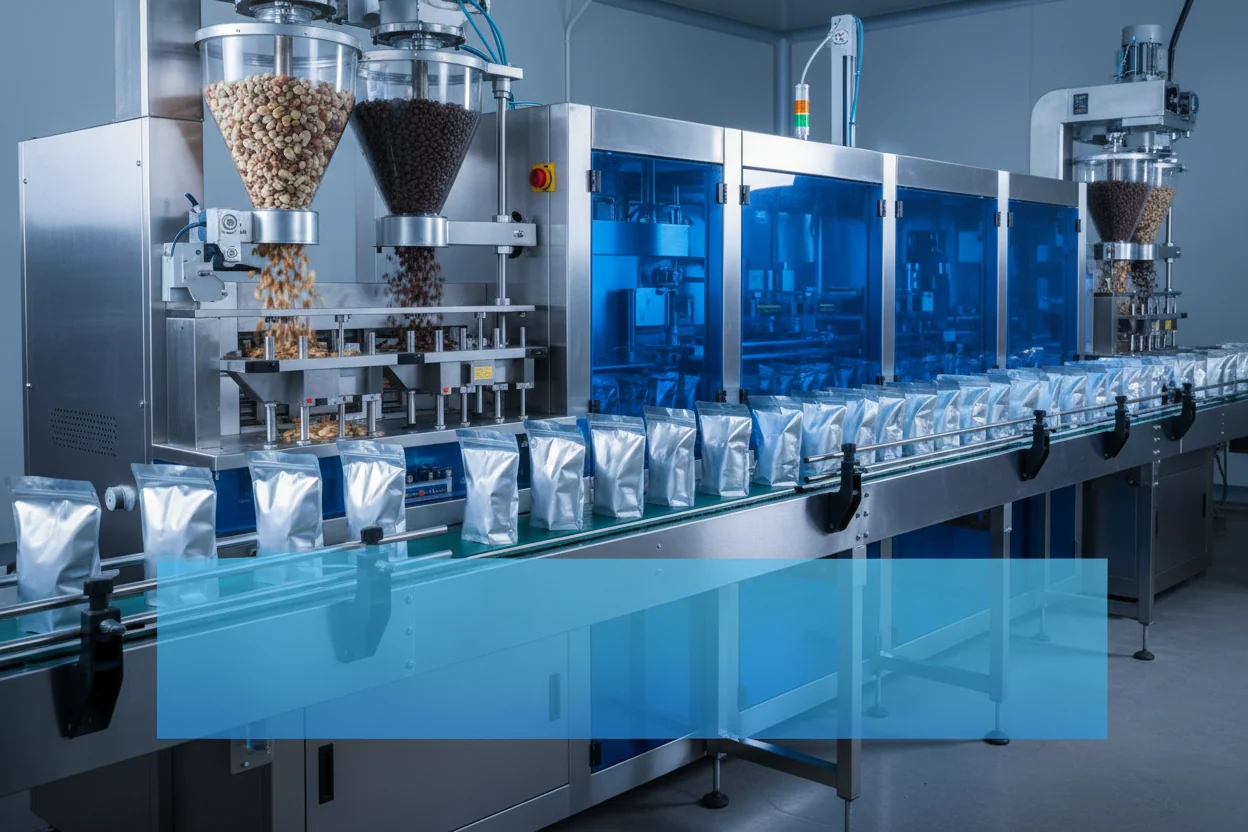
The snack food industry moves fast, driven by high consumer demand, frequent product variations, and the need for packaging that keeps products fresh while standing out on crowded retail shelves. Snacks pouch packing machines have become essential equipment for manufacturers looking to package chips, crackers, nuts, popcorn, and countless other snack products efficiently and consistently. For businesses in this space, understanding how these machines operate and what features matter most can make a meaningful difference in production output, packaging quality, and overall profitability.
What Is a Snacks Pouch Packing Machine
A snacks pouch packing machine automates the process of forming pouches from roll film, filling them with a measured quantity of snack product, and sealing them closed, all within a continuous, high-speed cycle. These machines are typically built around vertical form-fill-seal (VFFS) or horizontal form-fill-seal (HFFS) technology, with the choice depending largely on the specific snack product being packaged and its physical characteristics.
Given the wide variety of snack products, from lightweight, delicate items like popcorn or crisps to denser products such as nuts or granola, snack packing machines often need to be adaptable or specifically configured to handle particular product types without causing damage or inconsistent fills.
Vertical vs Horizontal Form-Fill-Seal Machines
Vertical Form-Fill-Seal (VFFS)
Vertical machines form pouches vertically, with product dropped in from above using gravity to assist the filling process. This configuration is widely used for granular or piece-form snacks such as chips, popcorn, and nuts, as it accommodates free-flowing products efficiently.
Horizontal Form-Fill-Seal (HFFS)
Horizontal machines are often used for snack products that need to be carefully placed rather than dropped, such as delicate baked goods, biscuits, or products requiring specific orientation within the pouch to maintain visual appeal and prevent breakage.
Key Components of a Snacks Pouch Packing Machine
Weighing and Dosing Systems
Accurate product measurement is essential, both for regulatory compliance and cost control. Multihead weighers are particularly common in snack packaging, using multiple weighing units simultaneously to achieve fast, accurate measurements even for irregularly shaped products like chips or mixed nuts.
Film Forming Mechanism
The machine shapes packaging film into pouches, with common formats including pillow bags, gusseted bags (which allow the pouch to stand upright and hold more volume), and stand-up pouches with resealable closures.
Sealing System
Reliable heat sealing is critical for maintaining product freshness, preventing air and moisture ingress that can lead to staleness, a particularly important consideration for snack products where crispness and flavour retention directly affect consumer satisfaction.
Gas Flushing Systems
Many snack packing machines incorporate modified atmosphere packaging (MAP) capabilities, flushing pouches with nitrogen or other inert gases to displace oxygen, helping extend shelf life and protect delicate products from crushing during transport.
Benefits of Automated Snack Packaging
High-Speed Production
Automated snack packing machines can process significantly higher volumes than manual packaging, essential for meeting the high consumer demand typical of the snack food market, particularly around peak retail periods.
Consistent Portion Control
Automated weighing and dosing systems ensure consistent product quantities across every pouch, helping maintain compliance with labelled weights while controlling ingredient costs through precise, repeatable measurements.
Extended Shelf Life
Proper sealing combined with gas flushing capabilities helps maintain product freshness and crispness for longer periods, reducing product returns and waste associated with stale or spoiled snacks.
Attractive, Consistent Packaging
Automated systems produce consistently well-formed, properly sealed pouches, supporting strong shelf presentation and brand consistency across large production runs.
What to Consider When Choosing a Snacks Pouch Packing Machine
Product Characteristics
Understanding the specific properties of your snack product, whether lightweight and delicate or denser and more robust, helps determine the appropriate filling method and machine configuration needed to avoid product damage during packaging.
Required Production Speed
Determining necessary output, typically measured in pouches per minute, is essential for selecting equipment capable of meeting production targets without becoming a bottleneck in the broader production line.
Pouch Format and Size Flexibility
Businesses producing multiple snack products or package sizes should look for machines offering quick changeover capabilities, minimising downtime when switching between different pouch formats or product lines.
Weighing Accuracy
For irregularly shaped or variable-density snack products, multihead weighing systems often provide superior accuracy compared to volumetric filling methods, an important consideration for maintaining consistent product weights.
Gas Flushing Capability
For products with shorter shelf life or higher susceptibility to staleness, confirming that a machine offers reliable gas flushing capability can be an important factor in preserving product quality over its intended shelf life.
Common Snack Products Packaged Using This Equipment
Chips and Crisps
Lightweight, fragile products like potato chips require gentle handling and careful sealing to prevent breakage and maintain crispness throughout the product’s shelf life.
Nuts and Trail Mixes
Denser, mixed products such as nuts and trail mixes often benefit from multihead weighing systems capable of handling variable piece sizes while maintaining accurate overall portion weights.
Popcorn
Popcorn’s lightweight, bulky nature requires careful handling during the filling process to avoid crushing, along with adequate pouch volume to accommodate the product without excessive compression.
Crackers and Biscuits
These products often require horizontal form-fill-seal systems or careful vertical handling to maintain product integrity and prevent breakage during the packaging process.
Maintenance and Long-Term Reliability
Regular maintenance helps ensure consistent weighing accuracy and reliable sealing performance over time. This includes routine cleaning of product contact surfaces (particularly important for oily or greasy snack products), calibration of weighing systems, and inspection of sealing components to prevent leaks or inconsistent seals that could compromise product freshness.
Cost Considerations
The cost of snacks pouch packing machines varies based on production speed, weighing accuracy requirements, and additional features such as gas flushing capability. While higher-speed, fully automated systems with advanced weighing technology represent a larger upfront investment, businesses should evaluate overall return on investment by considering factors such as reduced product waste, extended shelf life, and increased production capacity over the equipment’s operational lifespan.
Conclusion
Snacks pouch packing machine provide manufacturers with an efficient, reliable solution for packaging a wide variety of snack products at the speed and consistency demanded by today’s competitive market. By carefully considering factors such as product characteristics, required production speed, and weighing accuracy needs, businesses can select equipment well-suited to their specific product lines. As consumer demand for snack products continues to grow and diversify, automated pouch packing technology is likely to remain a critical investment for manufacturers seeking efficient, high-quality packaging solutions.