Single Conductor Armored Cable: A Complete Guide
Electrical infrastructure projects, whether industrial, commercial, or utility-scale, often require cabling solutions capable of withstanding harsh environments while safely carrying significant electrical loads. Single conductor armored cable has become a widely used solution in these settings, offering a combination of mechanical protection and reliable electrical performance. For engineers, electricians, and procurement teams involved in specifying cabling for demanding applications, understanding what makes this cable type suitable for specific projects is essential to ensuring safety, compliance, and long-term reliability.
What Is Single Conductor Armored Cable
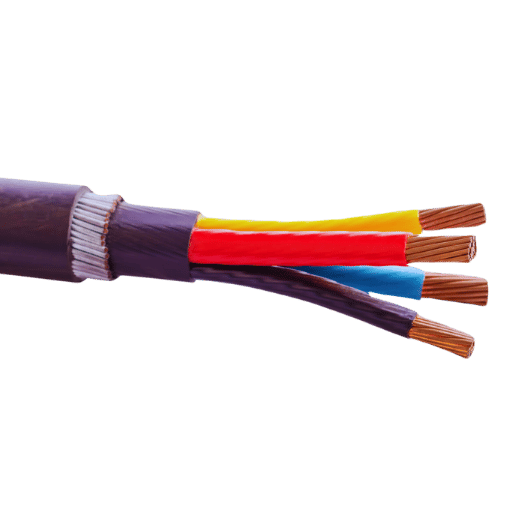
Single conductor armored cable consists of a single insulated conductor, typically copper or aluminium, surrounded by a protective armor layer designed to shield the cable from physical damage, moisture, and other environmental stressors. The armor itself is usually made from galvanized steel or aluminium, wound around the cable in either interlocked or continuously welded configurations, depending on the specific application and required level of protection.
Unlike multi-conductor cables that bundle several conductors within a single jacket, single conductor cables carry only one conductor per cable, which is often preferred in high-voltage applications or situations where individual phase conductors need to be run separately for technical or regulatory reasons.
Why Armor Matters
The armor layer serves several critical functions beyond simply adding bulk to the cable. It provides mechanical protection against impact, crushing, and abrasion, which is particularly important in industrial environments where cables may be exposed to foot traffic, equipment movement, or accidental impact during construction and maintenance activities.
Armored cables also offer improved resistance to rodent damage, a common issue in underground or enclosed cable runs where unprotected cables can be vulnerable to gnawing. Additionally, the metallic armor can provide a degree of protection against electromagnetic interference, which may be relevant in certain sensitive electrical environments.
Common Applications
Industrial Facilities
Manufacturing plants, processing facilities, and industrial complexes often rely on single conductor armored cable for power distribution within environments where cables may be exposed to physical hazards, chemical exposure, or extreme temperatures. The added protection helps ensure reliable power delivery even in demanding operational conditions.
Utility and Power Distribution
Utility companies frequently use single conductor armored cable for underground power distribution, where the cable must withstand the pressures of being buried directly in soil or run through conduit systems, all while maintaining insulation integrity over potentially decades of service.
Renewable Energy Installations
Solar farms and wind energy projects often require robust cabling solutions capable of withstanding outdoor exposure, temperature fluctuations, and the mechanical stresses associated with large-scale installations spread across expansive sites. Single conductor armored cable is commonly specified for these applications due to its durability and reliable performance in outdoor, exposed conditions.
Commercial Buildings
Larger commercial buildings, particularly those with significant electrical load requirements, may use single conductor armored cable for main feeder runs or connections to heavy equipment, where the added mechanical protection reduces the risk of damage during building maintenance or renovation work.
Key Considerations When Selecting Armored Cable
Conductor Material and Size
Choosing between copper and aluminium conductors depends on factors including cost, weight considerations, and the specific electrical load requirements of the project. Copper offers higher conductivity for a given size, while aluminium is lighter and often more cost-effective for larger cable runs, though it typically requires a larger conductor size to carry the same current as copper.
Voltage Rating
Single conductor armored cables are available in a range of voltage ratings suited to different applications, from lower voltage commercial uses to high-voltage utility distribution. Selecting a cable with the appropriate voltage rating for the specific application is essential for both safety and regulatory compliance.
Armor Type
Interlocked armor offers flexibility and is often easier to install in applications requiring some degree of bending, while continuously welded or corrugated armor typically provides enhanced protection against moisture ingress, making it suitable for direct burial or particularly harsh environments. The choice between armor types should be guided by the specific installation environment and mechanical protection requirements.
Insulation Type
The insulation material used within the cable affects its temperature rating, chemical resistance, and overall durability. Common insulation types include cross-linked polyethylene (XLPE) and ethylene propylene rubber (EPR), each offering different performance characteristics suited to varying environmental and electrical conditions.
Environmental Conditions
Considering the specific environment where the cable will be installed, whether underground, outdoor, indoor, or in areas with chemical exposure, helps determine the appropriate jacket material, armor type, and overall cable construction needed for long-term reliable performance.
Installation Considerations
Installing single conductor armored cable requires attention to proper bending radius limitations, as excessive bending can damage the armor or affect the cable’s internal insulation integrity. Additionally, when installing single conductor cables in close proximity to one another, particularly for three-phase systems using separate single conductor cables per phase, proper spacing and arrangement are important to manage electromagnetic effects and heat dissipation appropriately.
Grounding and bonding of the armor itself is another critical consideration, as improperly grounded armor can create safety hazards or contribute to electrical faults. Following relevant electrical codes and manufacturer guidelines for proper termination and grounding practices is essential for safe, compliant installations.
Maintenance and Longevity
Armored cables are generally designed for long service life, often decades, when installed and maintained correctly. Periodic inspection of accessible cable sections for signs of physical damage, corrosion of the armor, or insulation degradation can help identify potential issues before they lead to failures. For buried or inaccessible cable runs, proper installation practices from the outset become even more critical, given the difficulty and cost associated with repairs or replacements after installation.
Cost Considerations
Single conductor armored cable typically costs more than unarmored alternatives, reflecting the additional materials and manufacturing processes involved in producing the protective armor layer. However, for applications where mechanical protection is genuinely necessary, this additional cost is generally justified by reduced risk of cable damage, extended service life, and decreased likelihood of costly repairs or replacements over the system’s operational lifespan.
Conclusion
Single conductor armored cable provides a reliable, durable solution for electrical installations requiring protection against physical damage, environmental exposure, or other mechanical stresses. By carefully considering factors such as conductor material, armor type, voltage rating, and installation environment, engineers and procurement teams can select cabling solutions well-suited to the specific demands of their projects. As industries continue to prioritise reliability and safety in electrical infrastructure, armored cabling solutions are likely to remain a standard choice for demanding applications across utility, industrial, and commercial sectors.